
Charlievee wroteI had my rod bearings pre emptively replaced.Is anyone aware of any bearing failures that have occurred in Australia?
Spun a main bearing 6 months later.
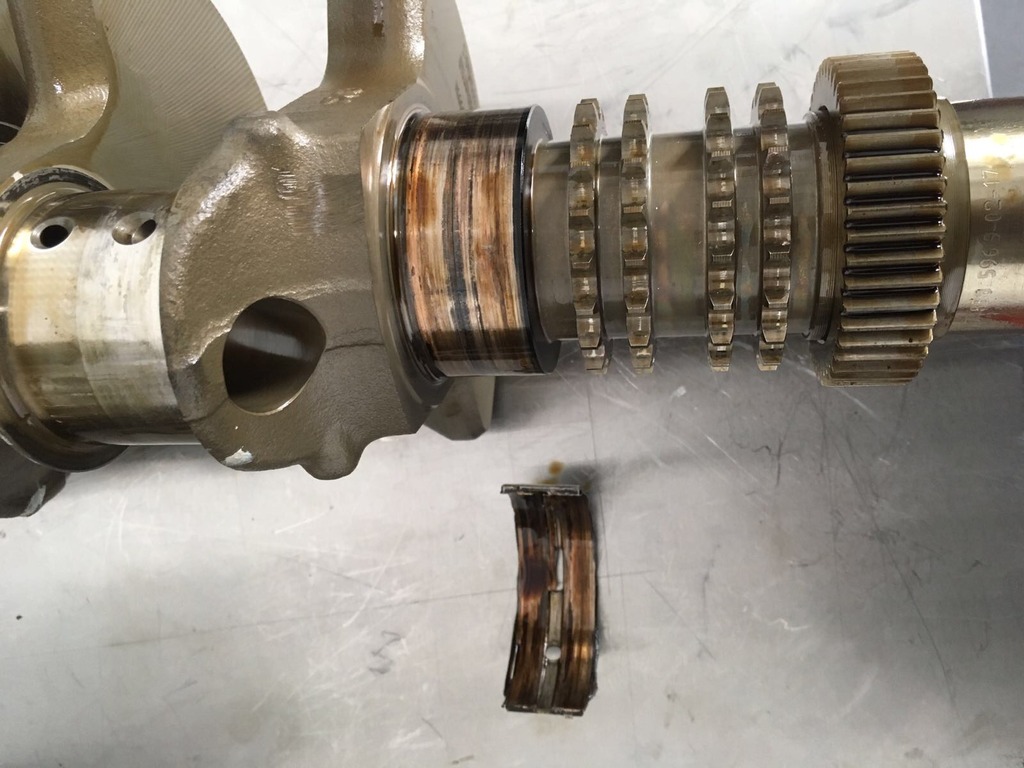

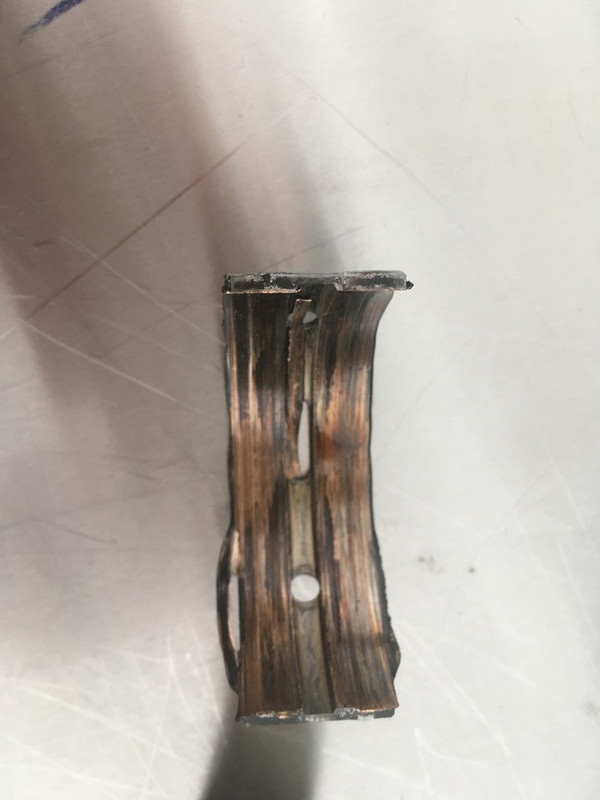

Charlievee wroteI had my rod bearings pre emptively replaced.Is anyone aware of any bearing failures that have occurred in Australia?
M3 hacker wroteI've seen this happen to three cars, 2were stock , 1 threw the main bearings on a hoist at BMW where the engine seized after they said there was probably nothing wrong with the car, ignored the death rattles and ran in on a hoist. Boom.Damn!!! How does that even happen? How many kms were on it?
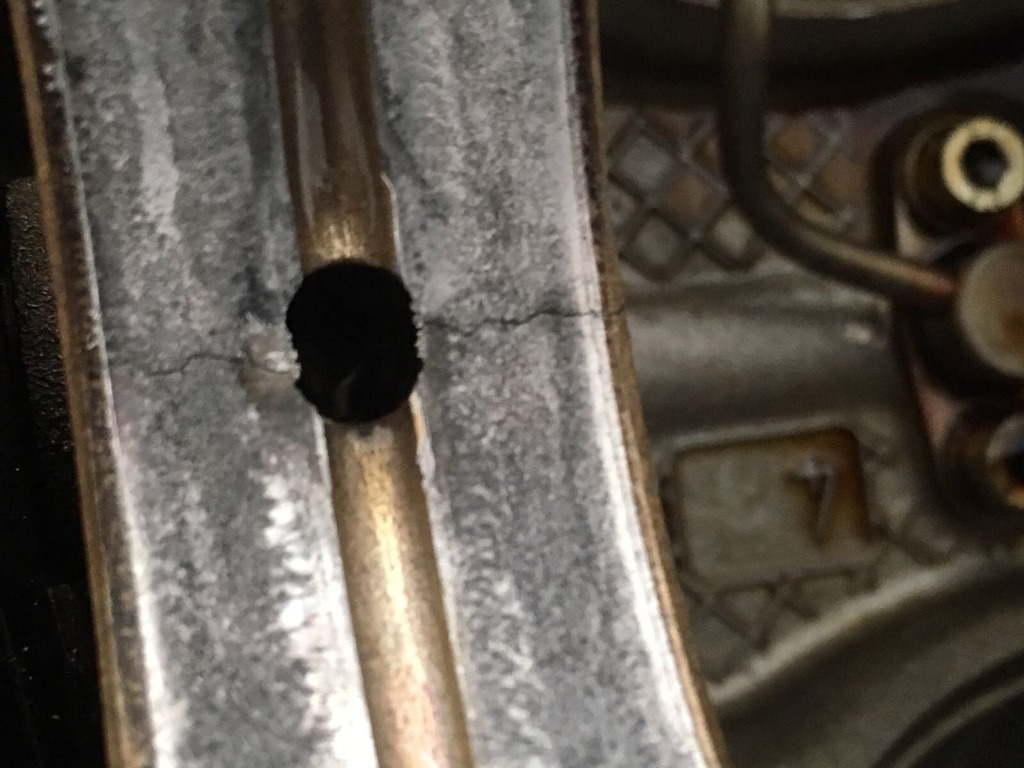
Nugget wroteyikes, how bad were the lower rod bearings when you got them done? and where if I may ask? got mine done last July at around 80K and included a DCT service and new engine mountsSame happened to mine, main bearing girdle was cracked.
Had to get a whole new engine.
Car had aroud 90k kms on it.
It was running test pipes and a tune, but never tracked to my knowledge. Just daily driving and a few hills/country runs while I had it. Which wasn't that long.
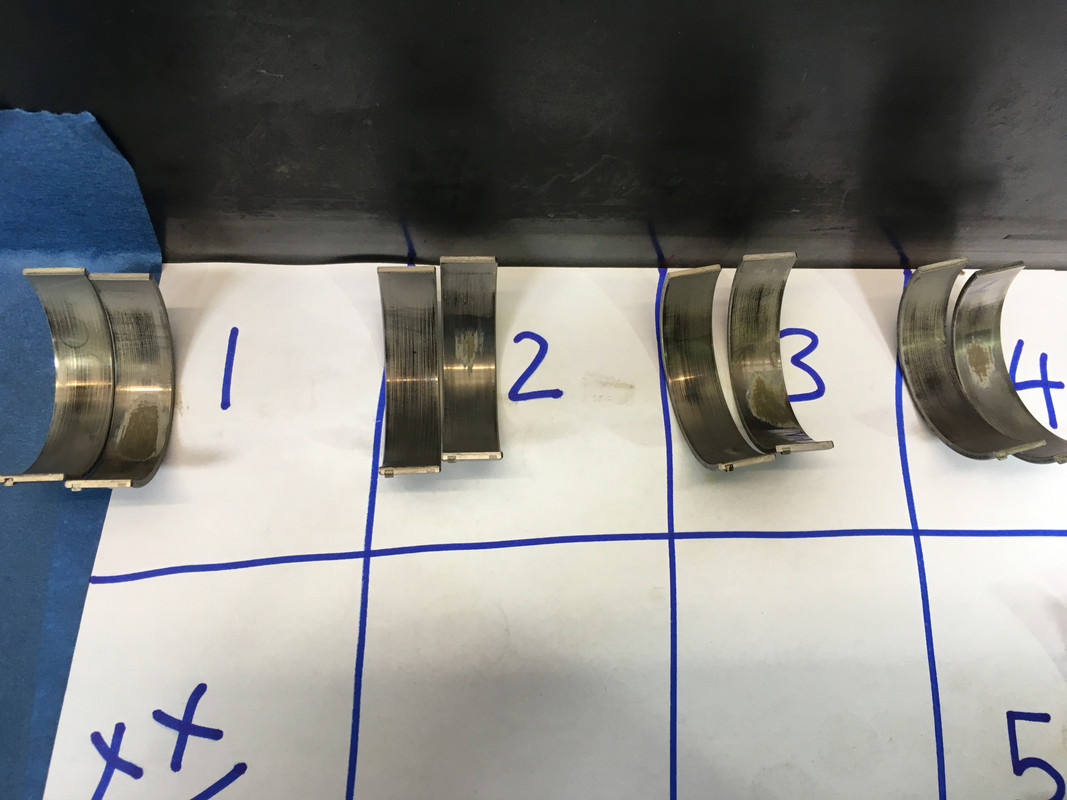
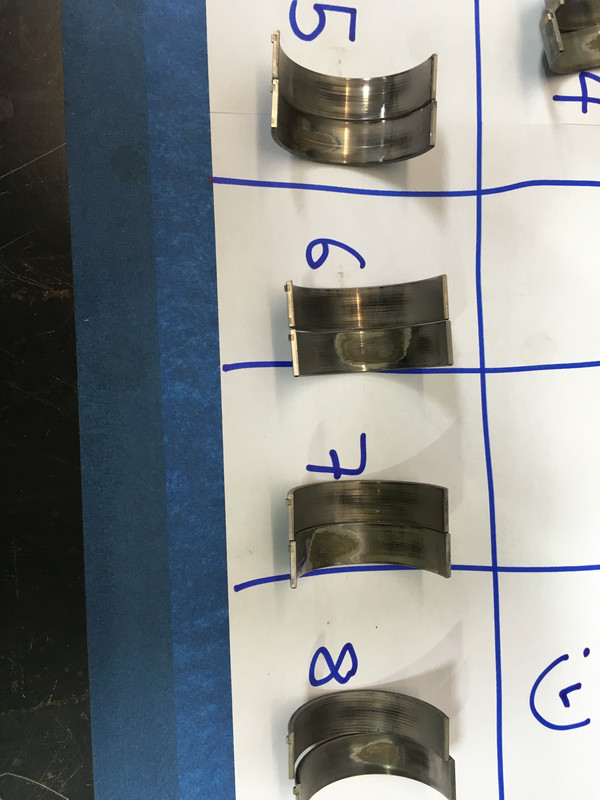

 wonder what the original owner did (or didn't do) to the car if it wasn't defected from the factory
DaveDee wroteSo you're telling me to not believe a guy who would have made money if he told me to get them changed, and to go ask a guy who profits from changing rod bearings?BMW or their staff will never admit to seeing Rod bearing failures, without leaving themselves open to a flood of claims. I know of several cars with rod bearing (and mains bearing failures) and have personally witness 2 cars fail. If you are in Sydney talk to Alastair at Bromspec BMW who routinely changes out rod bearings (by dropping the sump) and has posted vids of failed bearings. Dropping the sump is an accepted way of changing out the bearings and has made it possible to achieve this without the need to remove and strip down the engine at a prohibitive cost for the same result.
Don't read into the fear-mongers posts above, some individual here are well known to have agitated this issue over the years far beyond what it is. I don't need to identify them, it is evident from the concerned posts. The only solid objective information you can count on is that less than <1% engines have failed from rod bearing failure and that it has not correlated with miles or even tracking. Everything else is subjective interpretations and inconclusive. Period.-
Clearance is only one several proposed theory that is not well accepted and was solely pushed by the same small group of people that have used it as moto to sell rebranded clevite bearings batches (rebranded "BE" bearings).
Nobody has ever been able to correlate the failure to a specific cause (outside BMW). But each and every S65 engine assembled at BMW got its crank journals and bearings measured and logged into confidential manufacturer data logs (take my word for it). Therefore BMW has all the information it needed all along to trace back and correlate to failed engine. They have not changed dimension specs of the OEM bearings (only materials) which invalidates the clearance theory.
Interpretation of pictures of pulled bearings is completely subjective, it depends on who you ask. The deleterious fearmonger will make wild assertions assimilating any wear to a latent case and base their fallacious % on that. Completely frivolous.
There is no evidence to support that replacing bearings has prevented or will prevent this rare failure. But if you believe it, you may decide to spend money for that.
There is no evidence that increased oil changes has prevented etc.. Sure it will not hurt and cleaner oil is always good. You decide.
Another theory is that the issue is chemical not simply dimension tolerances. There was one flagrant case of pulled OEM bearings with visible wear then replaced with Callico coated OEM bearings and ARP bolts and the engine supercharged, pulled again tens thousands miles later and it had no visible wear. (This is the best coating available, and is superior to BE's clevite coating).
In conclusion, you can do nothing which i think is perfectly fine. If you decide to change bearings i would get OEM bearings and have them Callico coated.
Nugget wroteSo I've decided that I will not be changing my rod bearings. I work in an industry that allows me access to some very knowledgeable trades people. I spoke to a very experienced mechanical fitter, showed him the photos, and this is what he had to say.I had my rod bearings pre emptively replaced.
Spun a main bearing 6 months later.
Charlievee wroteThe key takeaway is the point he makes about tolerance and that there "should" be a range of different shell thicknesses to meet the design clearance. This is not the case with the S65 as there is only 1 factory recommended rod berating set.Nugget wroteSo I've decided that I will not be changing my rod bearings. I work in an industry that allows me access to some very knowledgeable trades people. I spoke to a very experienced mechanical fitter, showed him the photos, and this is what he had to say.I had my rod bearings pre emptively replaced.
Spun a main bearing 6 months later.
The wear on your rod bearings are not excessive but appear to be localised to one spot. It could be from detonation, but does not appear to be from oil starvation (the wear would look much streakier if it was). The wear pattern looks similar to when there's a raised area of the bearing, like when dirt is caught between the bearing and housing which causes increased surface pressure at that area. Since that's how they came from OEM and due to the larger wear patch, he suspects there is a horizontal oval bore on the rod end housing or possibly a geometric defect of the crank journal. What happens is that an oval bore would create a raised area with less clearance to the journal, increasing surface pressure between the bearing and crank journal. The bearing will initially bed itself causing a localised wear spot till it creates enough clearance that a sufficient oil film can be created. He does not believe it will get worse as it's likely stabilised, there are no sign of fatigue (cracking) that can be seen, and the wear appears to have a smooth bedding. Also said that a rod knock would become apparent if the wear became excessive.
He said he would not be doing it from under the sump. Especially if the bearings show that localised type of wear pattern as in the photos. Since you can only check the clearances across the bearing at one spot using plastigauge, doing it without the crank out would inhibit a proper check across the entire bearing. If it was him, he said he would atleast check the clearance of the old bearing at the wear spot and check it at the same spot with the new bearing at the same piston position, and compare it to clearance in other parts of the bearing. Rebedding in a new bearing would introduce new worn material into the engine, and if a peice of material broke off, it could cause catastrophic failure somewhere else.
Also on clearances, he said original engine manufacturers design bearings with clearances strictly to design. Due to tolerances (on crank/bearing/housing), there should be a number of bearings with different sizes available with micromillimeter differences over and under to accommodate these tolerances. If an aftermarket bearing manufacturer is altering bearing clearances and BMW aren't, it is probably not a good idea to go against OEM. This is because if the lubrication gap is too large, the hydrodynamic pressure required to create a stable lubricating film is not achieved. The bearing design clearances are also designed to work with the size of the engines oil bores, specific oil, bearing clearances, max RPM's and so on. V8's don't typically rev to 8300 rpm or have a stroke or bore of the S65 so the small design clearance is most probably intentional.
With your main bearings, he said it looks like its either a contamination failure, or oil starvation causing the bearing to seize (not spin). The bearing should have been checked for contamination as the foreign object would have been embedded into the bearing. He said these types of failures are also common when oil bores get blocked. These type of failures happen without indication or rod knocking.
This guy is one of the top workshop guys at a global corporation that builds and designs engines (diesel locos/machines). His specific business unit repairs and overhauls engines, he does it for a living - pulls apart and puts together worn engines daily. He also works on and builds his own high performance cars (9 sec, 700hp XW falcon).
Based off what he's told me, I'm comfortable not doing the bearings.
Did you by any chance look at the new bearings you had installed that had 6 months of use? It would be interesting to compare the wear of those against your original.
.

Assimilator1 wroteThat's exactly what happened.
Re Nugget's rod bearings, it's likely that the dis-integrated main bearings would've spread swarf through out the engine damaging the rod bearings too.
Scharbag wroteYou missed the point if that's what your take away is. Other OEM's do this and it goes to show how important tolerances are even if its in the thousandths.The key takeaway is the point he makes about tolerance and that there "should" be a range of different shell thicknesses to meet the design clearance. This is not the case with the S65 as there is only 1 factory recommended rod berating set.
On the other hand, I am concerned that there is discussion about wear at the locating tang. This is because the tang does absolutely nothing other than help locate the shell when assembling. Well, that and ruining the rod if the bearing spins.
I would be curious as to what his position is regarding the reliability of a high revving engine with only 0.0003"/" bearing clearance and is specified to run 10W60 oil.
Cheers,
Assimilator1 wroteWear due to oil starvation in that document clearly doesn't look the same as that exhibited by the bearings. The wear on the M3 bearings look localised rather than the wiping and smeared look with oil starvation.
Apart from marginal cases, no not really, check out Mahle-clevites literature on bearing wear (including photos), section 4 onwards. King bearings have a similar paper, to name 1 other.
Then look at all the bearing photos posted in the Rod bearing condition thread.
Most look like the oil starvation example photo in the Clevite paper, but make up your own mind. Would be interesting if your mech. fitter (surely you mean an engine builder, not just a 'fitter'!?) could look at all those photos too, but I expect he's a busy guy.
Assimilator1 wroteAbsolutely it is subjective. While you look at the photos and deduce the wear is excessive and will result in a catastropic outcome, it's widely accepted across these forums and amongst the scare mongers that the failure rate is <1% for all these vehicles. While as you said, the majority of these bearings come out looking like they're “excessively” worn (in your subjective opinion) and poses a high risk of failure, there's a clear fallacy in your deduction considering the accepted failure rate of the bearings on these engines. It is much much more logical to assume that the majority of cars running without any issue will have bearings which look similar to those that have been pulled out. Since most cars haven’t failed, then it is logical to assume the wear as exhibited by most vehicles is common and acceptable that won’t result in engine failure. Does that make sense? If most engines don’t fail, and most engines show bearing wear, then the logical deduction is the wear is typical, not catastrophic, and does not result in failure.
You're missing a crucial point here, yes engine failures (as best we know) may well be very low, but look at all those bearing photos in that thread I linked (& elsewhere) & amongst the multiple dozens of photos posted, only 2 people posted photos showing normal wear! Regardless of what you think the cause is, bar those 2, all the rest of the photos show excessive/abnormal wear.
How long would those abnormally worn bearings last? Who knows! You might be right that (in some engines) that once the initial wear occurs that the wear rate slows down (which might explain why occasionally oil analysis doesn't show problems & why some engines do high mileages on OEM bearings), but bear in mind that the babbitt layer is then compromised at that stage, e.g. thinner & possibly rougher. Certainly being thinner will reduce it's ability to embed any debris, if it's an earlier lead/copper bearing & the lead has completely or partially worn away, then where copper is showing it has no ability to embed debris. If debris then enters it will score the crank & the remainder of the bearing.
Assimilator1 wroteBut that's the thing, BMW didn't just ignore the issue, they had made a change by changing the bearing material. Do you think they couldn't have revised bearing tolerances? Do you think BMW, who are the original engine manufacturer, who have access to journal/bearing clearance data (so they can make a link between failed engines and tight clearances) wouldn’t update the bearing clearances to reduce the likelihood of failure by shifting the tolerances band to the wider end? I mean they updated the AC belt idler pulley and belt, updated bearing materials, so that means they’re not opposed to changing component designs on this engine. I mean we’re talking M sport division here. They’ve been building race cars since the 60’s, and built this engine from the ground up. Do you really think they didn’t consider what you, I and others hadn’t?
Oh & don't overlook the fact that BMW & other manufacturers have ignored ongoing issues with there cars before
No it doesn't, not if engine components are flexing more than intended, whether the cause is simply too tight bearings, or the clearances are spot on, but say the crank or block is flexing more than expected, the consequences are the same, metal to metal contact. Either way, more clearance helps. And if BMW really have data logged all the assembly data, they've done bugger all about it!
Assimilator1 wroteAgain, that's a logical fallacy... "most engines don't fail, but most engines have excessively worn bearings that have a high chance of resulting in failure" is what you're saying. But the fact is, if most engines don't fail, and most engines have bearings that look worn, so it is logical to assume are the bearings are not in any catastrophic risk of causing engine failure.
And he's missing the point of prematurely worn bearings too, that aside, still seems to be too early to say either way at this point. But the rare (2?) strip downs of the few engines that have had aftermarket bearings look favourable.
And, bar the occasional main bearing failures, their haven't yet been failures (that I've come across) of aftermarket rod bearings (excluding external causes. e.g failed oil pump).
Assimilator1 wroteNot quite, it would mean the film is sufficient in all other locations around the bearing except where the area is raised. Once it wears that section, it will allow for an even film around the whole bearing. Increasing clearances means hydrodynamic pressure specs are altered and a sufficient film may not be created.
Seeing as (for whatever reason) the hydrodynamic oil film is being penetrated with most S65 rod bearing shells we've seen anyway, and the gap is being increased from a tight margin to an industry standard margin (not beyond), then that seems unlikely.
And although not a direct measure of hydrodynamic pressure, BE bearings have at least checked engine oil pressure & flow with OEM & their own bearings, see here for that.
he suspects there is a horizontal oval bore on the rod end housing or possibly a geometric defect of the crank journal.
Sounds reasonable, and maybe this is a wide spread problem with the S65, in which case, increasing the clearance will help!
Assimilator1 wroteThanks, I appreciate your input and discussion. Very interesting. But pretty sure I'd take my 1% chance on failure as opposed to introducing potential risks that come with new bearings. I feel by not doing the bearings, I'm taking the side of BMW M Sport over a viral spread of misinformation.
Anyway, it's your choice, but I thought I'd throw in a few points that seemed to have been overlooked.
Btw, my background to this is I bought an M3 in November, I knew a little about the rod bearing issue beforehand, since getting it I've read more about it. Including reading papers by Clevite & King racing bearings, and yes, as well as reading BE bearings wiki & various threads.
What tipped me over into deciding to do it was reading the various papers by Clevite & King (many by King!) & seeing all the photos of pulled bearings, the final straw was finding a few solid cases of oil analysis not showing problems with the bearings & very shortly after their was! (I'll be posting a thread about that soon, as that info is very scattered atm).
Oh also, I'm a car mechanic but I am absolutely not interested in doing anyone else's bearings & neither is the Suzuki dealer I work for!
I didn't really want to do my own car's bearings as I work on cars all the time, and I don't want to do it my spare time too! Hence I did take an oil sample, prior to finding out for sure that it isn't, err sure!
Charlievee wroteThe only increased clearance bearings that have been pulled out look good. One of them is shown a handful of posts above yours. Another was posted recent that are VAC bearings with increased clearance.I have the suspicion that replacement bearings probably look the same if not worse than OEM bearings after a few months of use. Can you show where you've seen these bearings pulled out?
I couldn't remember where it was  . It maybe yet another contributing factor towards the excessive bearing wear, personally I'm thinking their are usually multiple factors to the problem in any 1 S65 engine.), about either poorly bored rods or badly machined journals causing the large wear patches, perhaps with nominal bearing clearances the damage is limited to that. But where the clearances are at the tighter end then maybe that combined with bore/journal shape leads to oil starvation & streaked wear, or in worse case scenarios, failure., I apologise if I wasn't clear on that.. (although it isn't 100% certain they have). The 1st hint I got of adjusted clearances by BMW is in the bearing wiki, their measurements show that the later alu/Sn bearings have a larger minimum clearance.
 (I've PM'ed him to ask for more)., possibly in the rod bearing condition thread, I do remember they weren't BE bearings, and I think they were VAC bearings,........ damn, wished I'd kept a link for that. [edit] Ah, akkando has found the exact one I was thinking of above!
  .
that would keep the revs higher and kick down sooner. It would make the fuel consumption worse and it would be hard to know if there was any effect on longevity...
.
that would keep the revs higher and kick down sooner. It would make the fuel consumption worse and it would be hard to know if there was any effect on longevity...ten3 wroteGreat discussion guys, thank you.
while the argument is on going, i think this guy (below) made a good point to protect my engine by driving with Power mode on all the time. That way my car wont go to high gear often. what do you guys think ?
ten3 wroteI personally wouldn’t be bothered to be driving in Power mode. The DCT is programmed to shift at optimal points that does not lug the engine. It’s highly likely that the >99% of people without engine failures don’t drive in power mode. So I’d say you’ll be fine.Great discussion guys, thank you.
while the argument is on going, i think this guy (below) made a good point to protect my engine by driving with Power mode on all the time. That way my car wont go to high gear often. what do you guys think ?
Assimilator1 wroteIn my industry, ‘fitter and machinists’ do product assembly and disassembly (ensuring design tolerances are met). They operate machining and milling equipment to get components to spec for assembling. They do in-situ welding to mount and position components. It’s detailed work, not as simple as putting on a tyre or welding in an exhaust.
Re the rod bearing thread photos, whilst many of the photos do indeed show large wear patches, many also show streaked wear. Maybe both points are right?
As your engine technician friend said (calling him a fitter would be an insult over here, think tyre & exhaust fitter, which he clearly isn't! ), about either poorly bored rods or badly machined journals causing the large wear patches, perhaps with nominal bearing clearances the damage is limited to that. But where the clearances are at the tighter end then maybe that combined with bore/journal shape leads to oil starvation & streaked wear, or in worse case scenarios, failure.
Assimilator1 wrote“Abnormally worn” is subjective, because it’s in your opinion. Which based on the fact that this type of wear appears to be typical of this engine, that type of wear is in fact normal. Normal and does not result in failure, as >99% of cars do not fail.
and will result in a catastrophic outcome
I never said that, don't put words in my mouth!
Yes it's thought that engine failure rate is <1%, but bearings being abnormally worn is at a far higher rate amongst those photos, as you can see for yourself. And yes the vast majority are abnormally worn, this is not subjective (I'm not talking about the smallish number of marginal cases), look at the Clevite & King papers again.
While as you said, the majority of these bearings come out looking like they're “excessively” worn (in your subjective opinion) and poses a high risk of failure,.....
Again putting words into my mouth, I never said excessively worn bearings poses a high risk of failure, I said bearings worn through to copper poses a high risk of damage (yes I implied failure there), again that isn't subjective. I bet your engine tech friend would at least agree with that point. Also read up on what the babbitt layer does for bearings/journals.
Assimilator1 wroteNo, the logic here is flawed again based off your subjective opinion. The concern in my opinion is you do not know what the life span or replacement bearings are – you are doing a replacement based off internet data (with no true or accurate referencing) and in direct opposition to the original engine manufacturer.The trouble is, as I mentioned for the pulled bearings, we don't know what their life span is even likely to be, & in the unlikely event they do fail the consequences are usually severe.
Assimilator1 wroteThe point is that they are not opposed to change. So you reckon they made changes now? But of course, they didn’t make the right change and the aftermarket bearing manufacturers have to come in to save the day and make the correct change knowing better than the group that designed the engine… hard pill to swallow for me.And they only did that due to EU rules banning the use of lead, I think this article covers that, but if not I'm sure you can find it on Google .
Actually, on 2nd thoughts, I stand corrected about my 'bugger all' comment. You're right & the funny thing is I already thought that! Lol (although it isn't 100% certain they have). The 1st hint I got of adjusted clearances by BMW is in the bearing wiki, their measurements show that the later alu/Sn bearings have a larger minimum clearance.
The other (subjective) hint is that fewer alu bearings show excessive wear.
But, some of the engines with alu bearings have failed, & some of the alu bearings from non-failed engines have shown excessive wear too, though to me it seems less common than the earlier type (based on the fewer photos of those to date).
I say not a 100% certain as the only figures we have from BMW for S65 big end bearing clearances (which were only released last year!!) don't state for which bearings, or even if they are different for each bearing type.
Assimilator1 wroteYou’re a bit contradicting on this point. You’re concerned of failure or damage (or for simplicities sake, let’s say “negative event” as you seem to use both terms interchangeable throughout your posts but wish to highlight the semantics on wording) due to the wear on the bearings. But you accept the “negative event” rate of engines is >1%? Do you understand that just because you pull out a bearing and you think it looks worn, it doesn’t change the likelihood of a “negative event”? Have you heard the phrase, “if a tree falls in the forest but no one hears it, does it make a sound?” The objects of sense (or in this case fear) exist only when they are perceived. However the observation does not change the outcome.
that have a high chance of resulting in failure
Again, I didn't say that, see above.
Assimilator1 wroteThen you would also understand that a 1/100 failure is much better odds than a 1/5 failure? As I said, pool of data isn’t sufficient to make a 1/5 call, but any failure on a rod bearing replacement engine is extremely bad. An “occasional” failure is completely unacceptable and makes doing a bearing replacement, in my opinion, a bad option.
You do realise that only maybe 3-5% of all E92 M3’s get their bearings replaced. - yep
Assimilator1 wroteTrue, no evidence to suggest this. As does any evidence suggest doing a rod bearing replacement improves the odds on a negative event, if anything it would suggest the contrary. What does the evidence suggest? It suggests that you are extremely likely not to end up with a negative event despite what your OEM bearings will look like once you pull them out.
I’d guess that more than half of these had failures due to contamination - a blind guess so not useful.
you’re increasing your risk of engine failure doing a bearing change. It could be possible that replacement bearings cause a rebedding process that introduces new material into the engine, and that material makes its way into the oil bores and main bearings which greatly increases the failure of main bearings. You would be better off taking the 1% chance – I understand what you're saying, but to date their is no real evidence of this. Also many aftermarket bearings have increased clearances, so any rebedding process maybe nearer to normal engine running in, and if not, at least significantly less worse than OEM bearings.
As for the few main bearings that failed some or a little while after the big end bearings were replaced, it could be they were damaged by particles from the old rod bearings, or even if not, maybe they were just 'bad' beforehand, who knows!
Assimilator1 wroteThanks. It’d be nice if these things could be verified. Looks good, but there’s just too many people and businesses that profit off this to take anything as objective.Here's one example, although annoyingly he only shows 1 shell (I've PM'ed him to ask for more).
I can't remember where the 2nd example was , possibly in the rod bearing condition thread, I do remember they weren't BE bearings, and I think they were VAC bearings,........ damn, wished I'd kept a link for that. [edit] Ah, akkando has found the exact one I was thinking of above!
Anyway, as I said, even if those 2 turn out to be concrete cases, it's too small a number of course to deduce much.
Assimilator1 wroteIn your subjective opinion, they “are excessively worn”, and that it’s unlikely (in your opinion). We will not know till more people go to replace their bearings, so… “who knows?”, there may be a reduction in hydrodynamic lift with greater clearances and result in more journal to bearing contact.
Who knows, maybe after 100k kms+, all the bearing replaced engines may just go pop because the bearing clearances are too wide, - that would show as low oil pressure, something that BE at least checked & showed wasn't the case. As I linked previously.
Also, seeing as the tight clearances hasn't worked out well (as seen by the high of number of bearings that are excessively worn), that's unlikely.
Btw, a few weeks ago I did finally read something in one of the King papers as to why they would run such tight clearances, the idea is the tighter clearances means the hydrodynamic film can be maintained over a larger area, & thus less pressure exerted onto the bearings. This is great, but it needs to be done with tighter machining tolerances, stiffer crank/block etc and thinner oil!, so not the thick 10w-60 oil BMW specs, and who knows if one of the other factors went wrong?
Assimilator1 wroteGoogle and the internet only get you so far, my friend. I don’t claim to be making a factual statement where I’m uncertain, so do note when I say “who knows” to portray my uncertainty, usually to highlight the point that, really, we all don’t know and are just guessing. You can’t say with absolute certainty that it’s the opposite way around, unless you know better than M Sport. There are so many variables that are unknown, and the more you look into it, the higher chance you become victim to the Dunning-Kruger effect.
Incidentally you're wrong about a higher revving engine needing tighter clearances, it's the opposite way around (again see in the King docs), faster speed means greater friction through the oil film, so to reduce that they recommend larger clearances. ACL, Clevite & King deal with racing engines too remember, some of which rev far higher than the S65!
As for the M sport division, well maybe it wasn't their fault but someone else in the BMW pipeline, BMW have screwed this up before! Not heard of the M3 e46 rod bearing problems? (yes a different cause IIRC, but I'm referring to the end problem).
Not quite, it would mean the film is sufficient in all other locations around the bearing except where the area is raised. Once it wears that section, it will allow for an even film around the whole bearing - Maybe, and assuming the bearing's babbitt layer hasn't been severely worn and compromised.
I'm taking the side of BMW M Sport over a viral spread of misinformation. - You're throwing out the baby with the bath water, although their is certainly some exaggeration going on, it's not all misinformation.
Mechanics don't have the expert subject matter knowledge on bearings, and Google only gets you so far.... - agreed, for the most part, which is why I read papers from Clevite & King, as I told you, but you seemed to have forgotten that already .
Most of my information is not based on forums (real photos of definitively excessively worn bearings aside) but on the papers by people who make & research these bearings.
I only mentioned that I am a mechanic so that I couldn't be accused of delivering on a hidden agenda, i.e I'm not 'selling' this story to boost trade for me or the garage I work for, hence mentioning I/we are not interested in doing them!
Shan75 wroteYou do know there has been a similar issue in the past (mentioned above E46 M3) that resulted in a recall by BMW? Any perceived issue with the E92 is just not significant enough to warrant a recall or even a redesign. They are not opposed to rectifying mistakes as you think.Additionally - in my humble opinion - some of you are giving BMW way too much credit in relation to them taking ownership of issues.
Changing bearing material is one thing, easy to argue potential merits of that without specifically admitting you designed core engine components with a major flaw. The fact they even did change the bearing material is telling me there is likely a LOT more to this issue.
Clearly I am jaded though. ; )
In truth - some M Division engineers might be wringing their hands with worry, but BMW legal would not have a bar of that.
Owning up to a very costly design flaw, with the potential to reduce the life of an expensive engine and in worst cases - destroy it?
And admit to the problem, when for the most part, it is going to be difficult prove or when it can be - most of the cars are so far out of warranty it won't matter?
Pfffft....next.
I would not own up to it either. Makes no sense for BMW to redesign anything in this engine. Just change the bearing material so it lasts "long enough" for them to avoid the mess.
If I was consulting to them....it is what I would tell them to do.
Existing photos and commentary aplenty. Not to mention some science worth reading ; )
Smoke - I see plenty of it.
I'm doing my bearings and running a thinner oil. Decision made.
