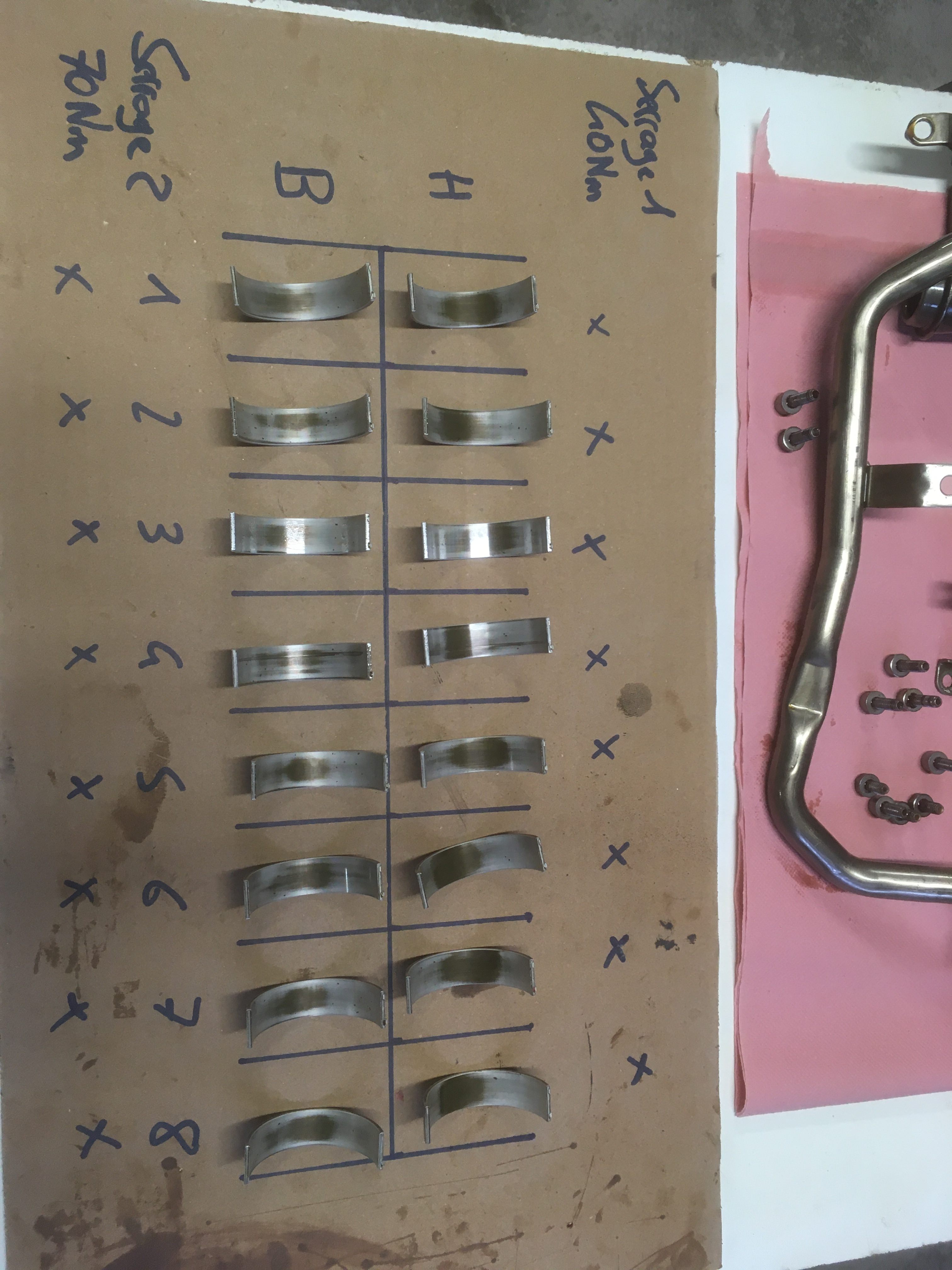
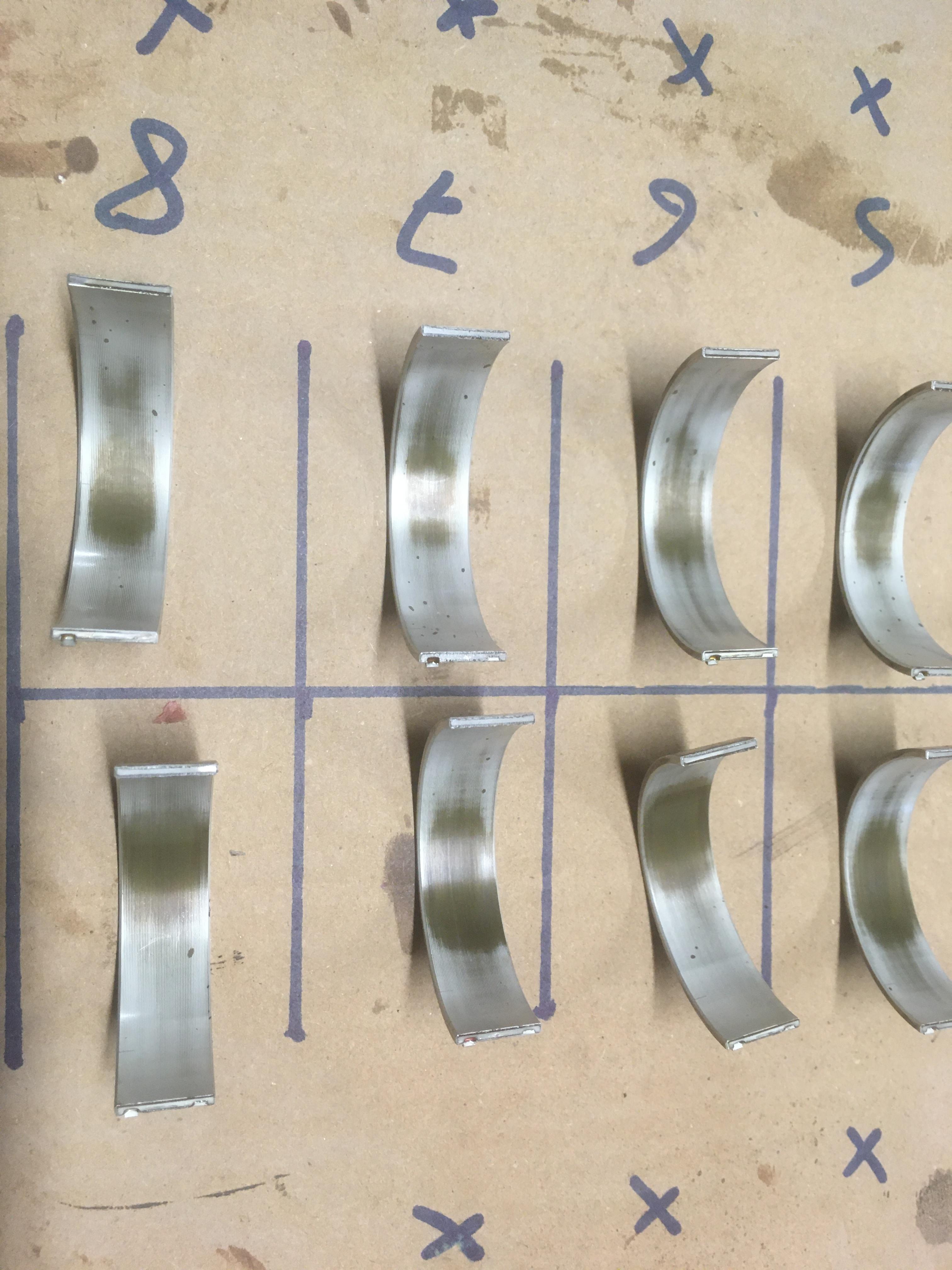
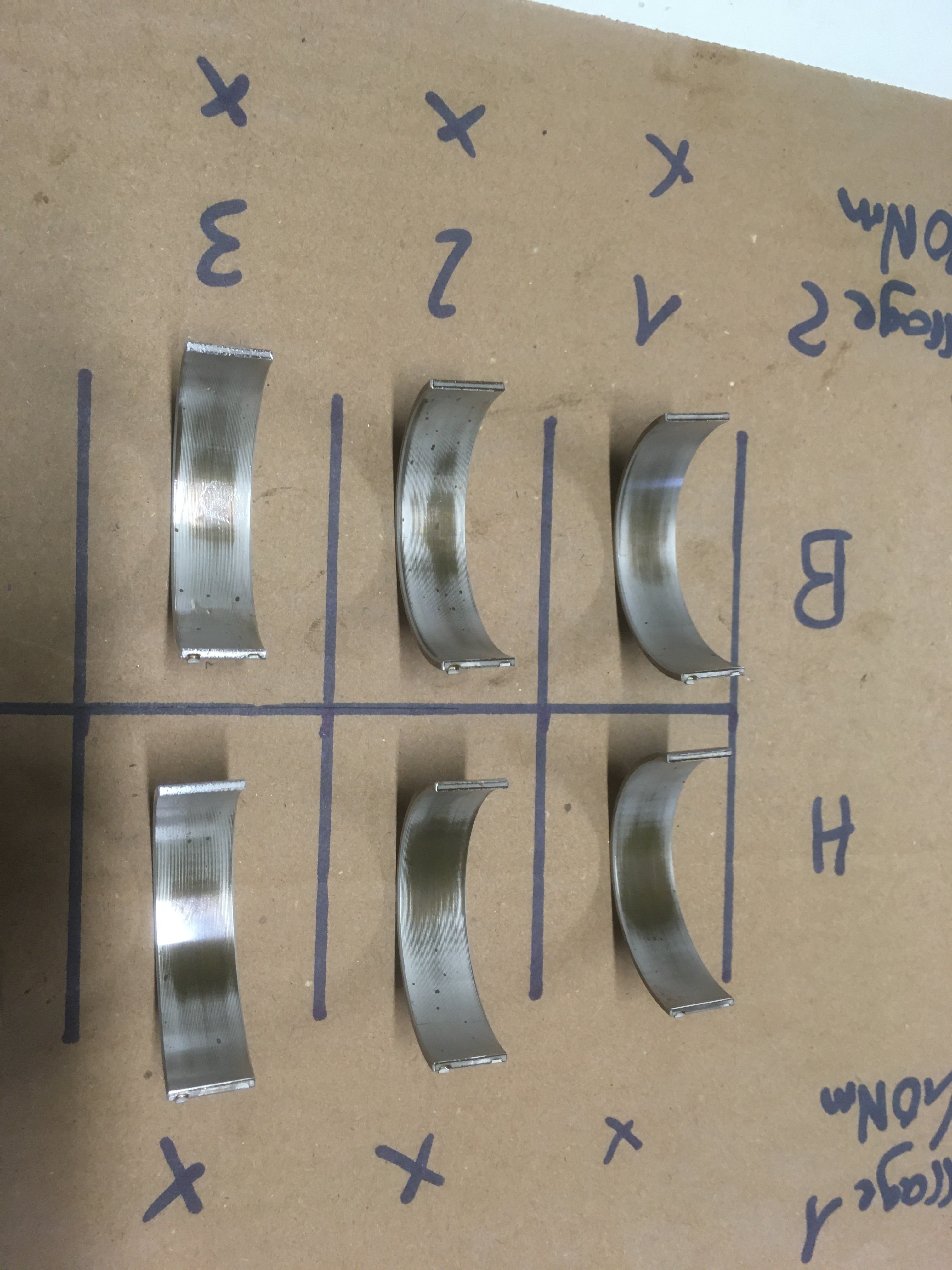
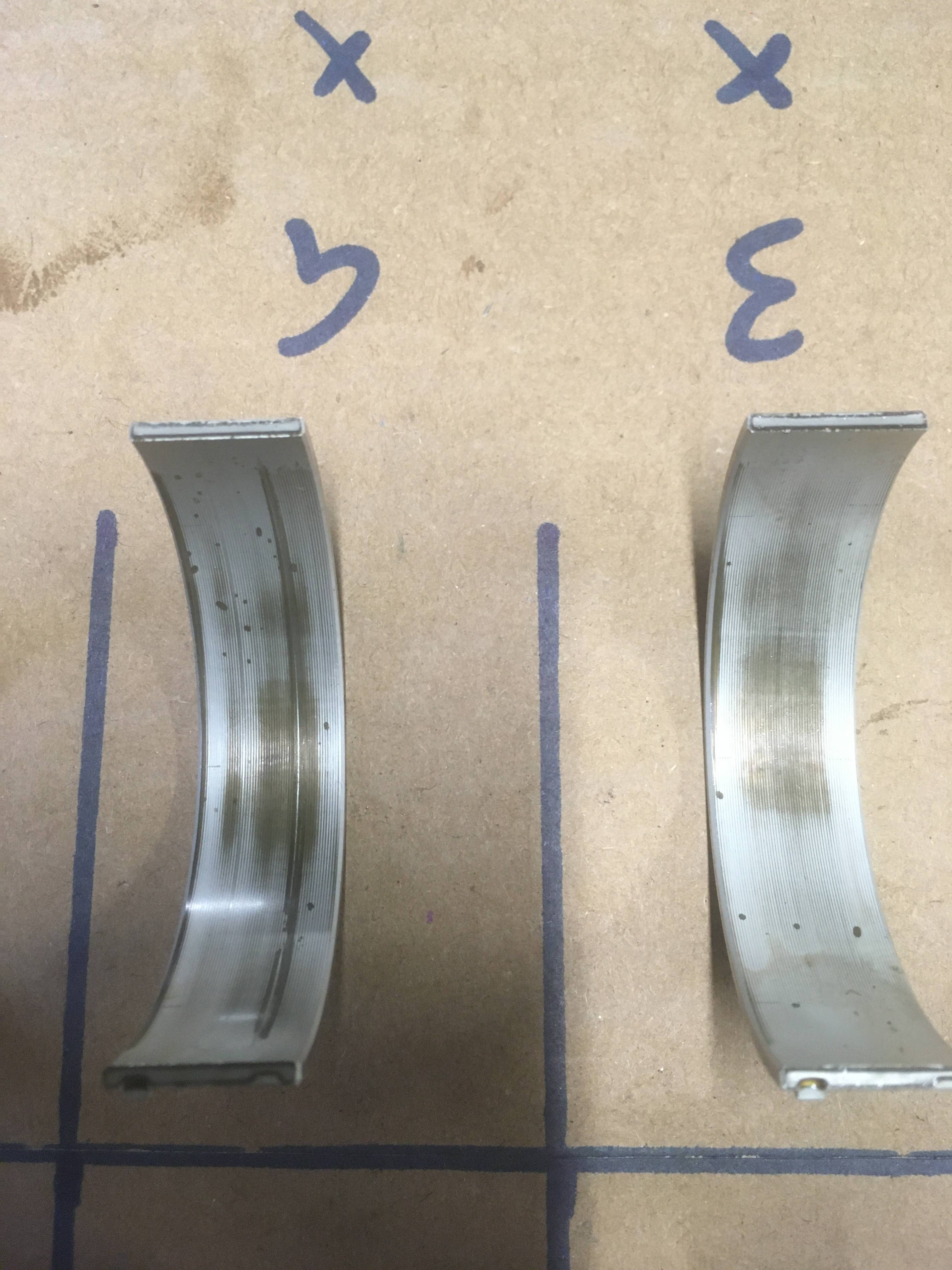
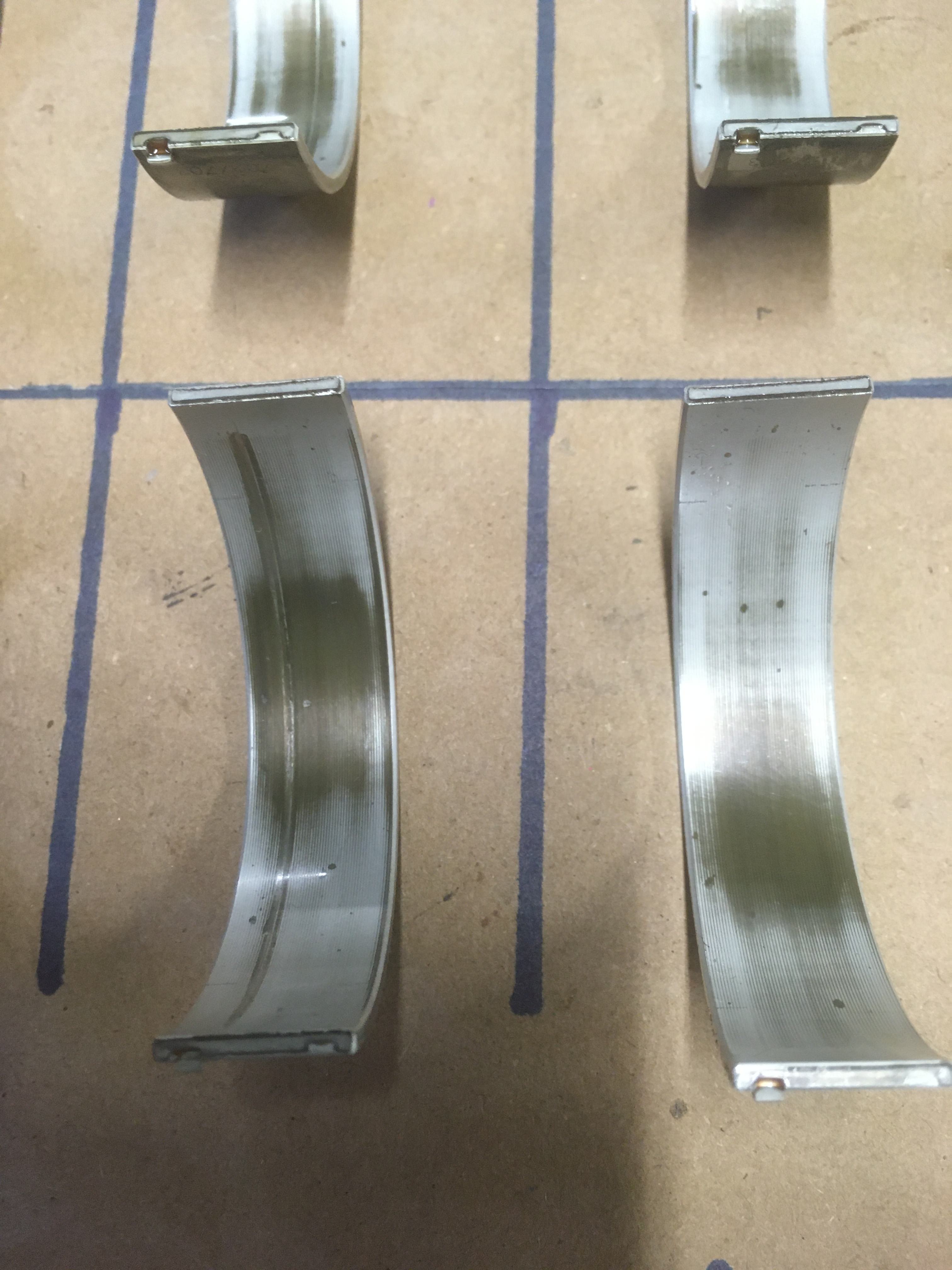
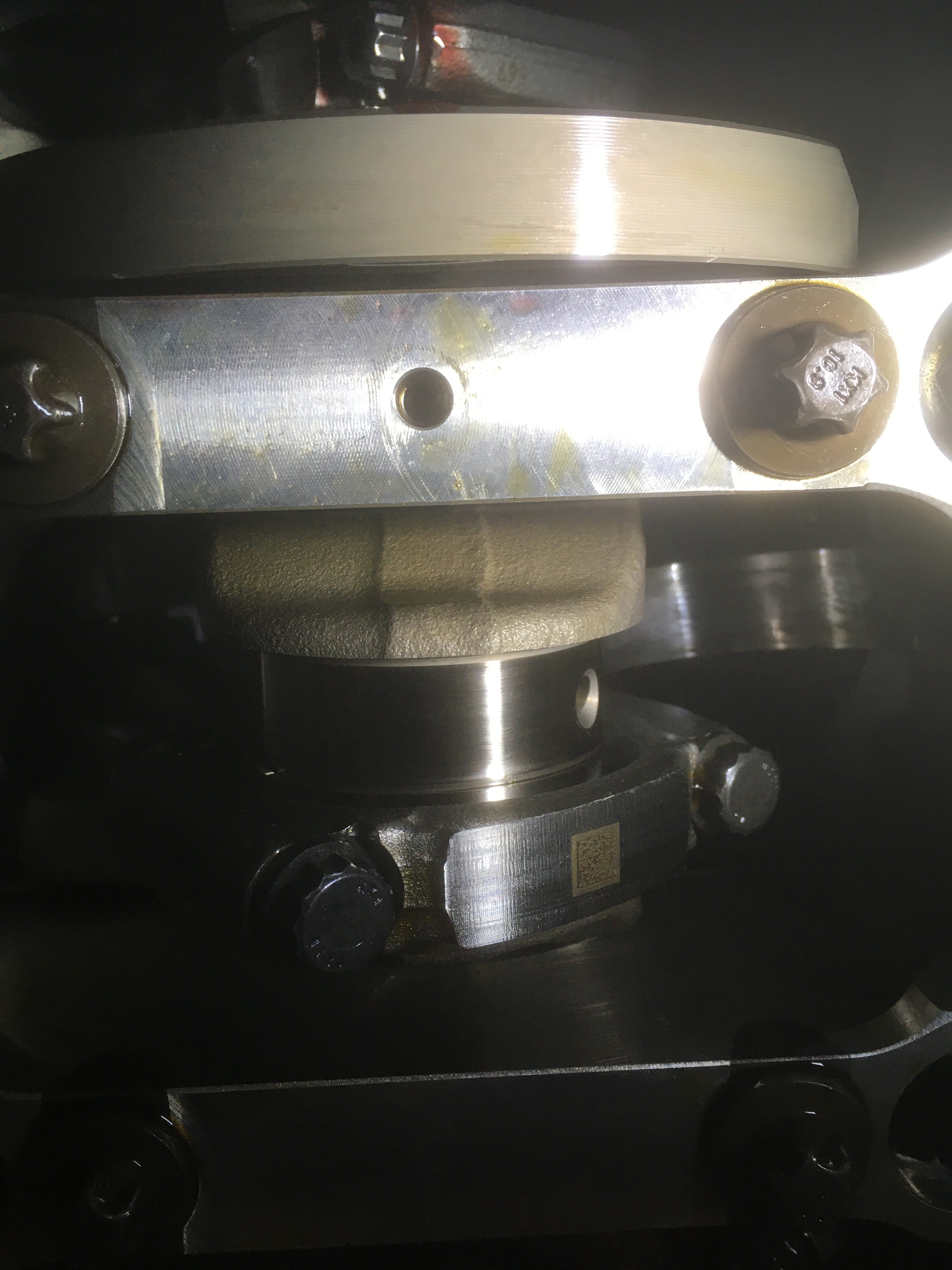
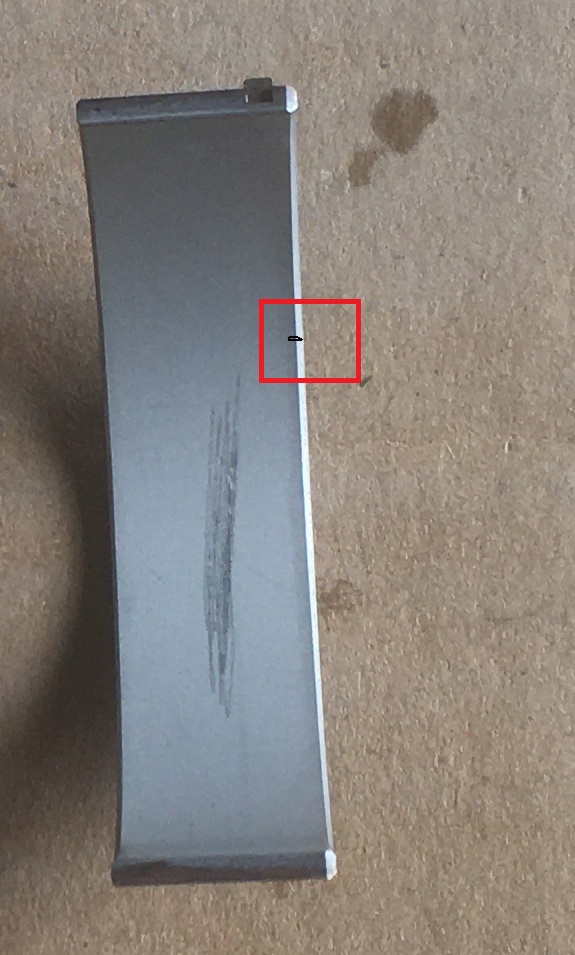
Assimilator1 wroteThe point about discoloration wasn't a suggestion that the newer bearings don't wear. That'd be ridiculous. The point is that the discoloration we've seen doesn't mean critical wear, unlike what we've seen on the earlier bearings.Whilst I do agree that lead/copper bearings typically come out looking worse, and I also believe we haven't seen any tin/alu/copper bearings that have worn down to copper so far, but I wouldn't call the wear to the tin/alu bearings as merely discolouration.
There is physical wear happening to those bearings, not just deposition of (say) carbon on the shells, the shells micro grooves are often seen to have be worn, or even completely smoothed out. As can be seen in the 3rd and 4th photos in Deansbimmer post here and by these excellent quality photos by Ximian (the lower ones).
Not seeing copper doesn't mean the wear is insignificant; just that it's not critical. Per what I've heard straight from Glyco, even having the grooves partially worn away is most likely not critical. Significant vs. insignificant is a value judgment that depends on your criteria.
Either way, the original question was whether the new bearings wear less than the old ones. Apparently the answer to that is a hard yes.