

Llarry wroteProbably significantly less expensive than trying to build them here with all the regulations and union shenanigans.In another indication of the lamentable state of ship construction in the USA, the Navy has now been encouraged to consider foreign shipyards in Japan or Korea for warship construction. Adoption of a foreign design of a new frigate class is even under consideration as the Constellation (FFG 62) class has been cancelled after the procurement of just two ships.
2.6MVIEWS
692REPLIES
1.1KAPPRECIATES
19 hr agoLAST POST
Typhoon Viper and the USS Pittsburgh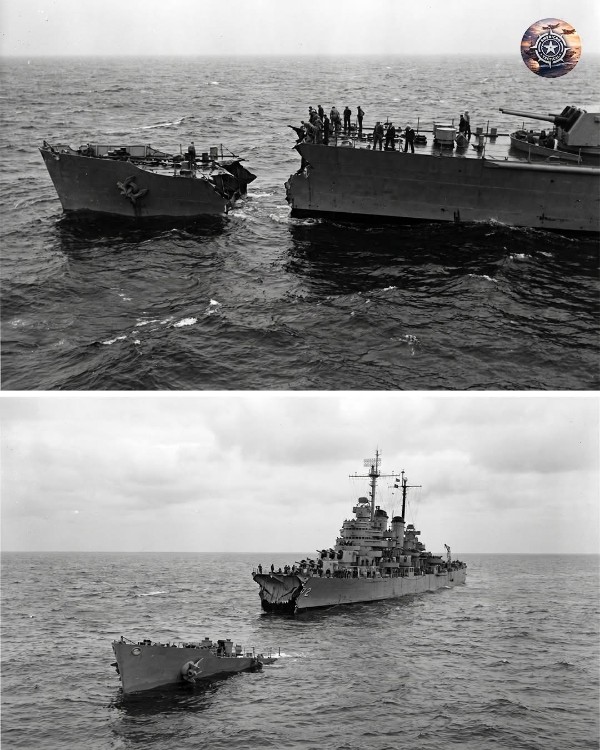
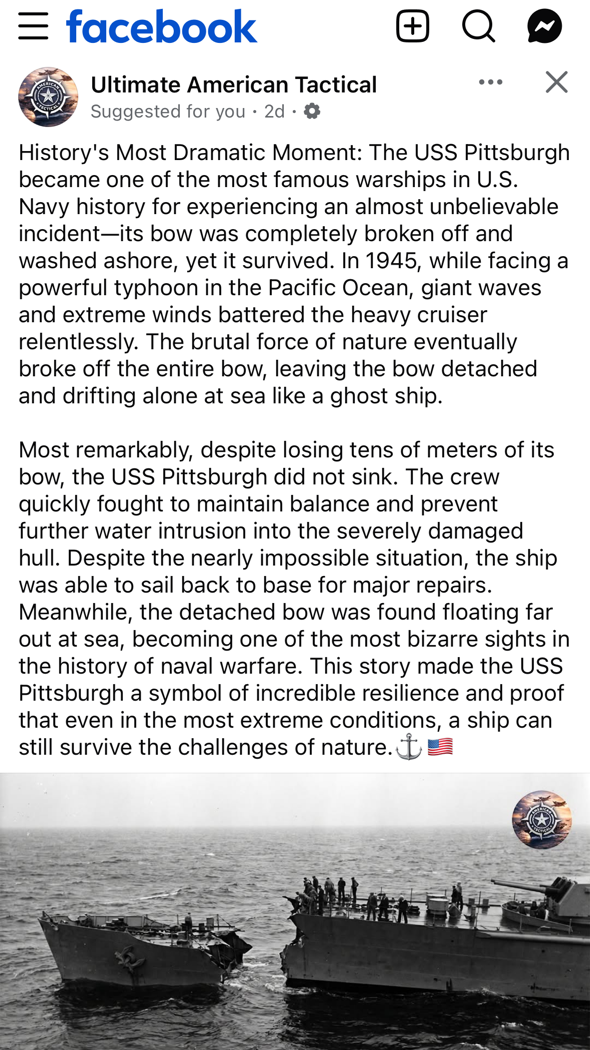
Queue "The Front Fell Off" meme
The Front Fell Off
Interviewer: Senator Collins, thanks for coming in.
Senator Collins: It’s a great pleasure, thank you.
Interviewer: This ship that was involved in the incident off Western Australia this
week...
Senator Collins: The one the front fell off?
Interviewer: Yeah.
Senator Collins: Yeah, that’s not very typical, I’d like to make that point.
Interviewer: Well, how was it un-typical?
Senator Collins: Well there are a lot of these ships going around the world all the
time, and very seldom does anything like this happen. I just don’t want people
thinking that tankers aren’t safe.
Interviewer: Was this tanker safe?
Senator Collins: Well, I was thinking more about the other ones.
Interviewer: The ones that are safe?
Senator Collins: Yeah, the ones the front doesn’t fall off.
Interviewer: Well, if this wasn’t safe, why did it have 80,000 tons of oil on it?
Senator Collins: I’m not saying it wasn’t safe, it’s just perhaps not quite as safe as
some of the other ones.
Interviewer: Why?
Senator Collins: Well, some of them are built so that the front doesn’t fall off at all.
Interviewer: Wasn’t this built so that the front wouldn’t fall off?
Senator Collins: Well, obviously not.
Interviewer: How do you know?
Senator Collins: Well, because the front fell off and 20,000 tons of crude oil spilled
into the sea caught fire. It’s a bit of a giveaway. I’d just like to make the point that
that is not normal.
Interviewer: Well what sort of engineering standards are these oil tankers built to?
Senator Collins: Oh, very rigorous maritime engineering standards.
Interviewer: What sort of thing?
Senator Collins: Well, the front’s not supposed to fall off for a start.
Interviewer: And what other things?
Senator Collins: Well, there are regulations governing the materials they can be
made of.
Interviewer: What materials?
Senator Collins: Well, cardboard’s out.
Interviewer: And?
Senator Collins: No cardboard derivatives.
Interviewer: Like paper?
Senator Collins: No paper. No string. No sellotape.
Interviewer: Rubber?
Senator Collins: No, rubber’s out. Umm, they’ve got to have a steering wheel.
There’s a minimum crew requirement.
Interviewer: What’s the minimum crew?
Senator Collins: Oh, one I suppose.
Interviewer: So the allegations that they’re just designed to carry as much oil as
possible no matter the consequences, I mean that’s ludicrous isn’t it?
Senator Collins: Absolutely ludicrous, these are very very strong vessels.
Interviewer: So what happened in this case?
Senator Collins: Well, the front fell off in this case by all means, but it’s very unusual.
Interviewer: But Senator Collins, why did the front fall off?
Senator Collins: Well a wave hit it.
Interviewer: A wave hit it?
Senator Collins: A wave hit the ship.
Interviewer: Is that unusual?
Senator Collins: Oh yeah. At sea? Chance in a million!
Interviewer: So what do you do to protect the environment in cases like this?
Senator Collins: Well the ship was towed outside the environment.
Interviewer: Into another environment?
Senator Collins: No, no, it’s been towed beyond the environment. It’s not in the
environment.
Interviewer: No but from one environment to another environment.
Senator Collins: No it’s beyond the environment. It’s not in an environment. It’s
been towed beyond the environment.
Interviewer: But it must be somewhere… Well what’s out there?
Senator Collins: Nothing’s out there!
Interviewer: Well there must be something out there.
Senator Collins: There is nothing out there - all there is is sea, and birds, and fish.
Interviewer: And?
Senator Collins: And 20,000 tons of crude oil.
Interviewer: And what else?
Senator Collins: And fire.
Interviewer: And anything else?
Senator Collins: And the part of the ship that the front fell off. But there’s nothing
else out there.
Interviewer: Senator Collins, thanks for joining us.
Senator Collins: It’s a complete void.
Interviewer: Yeah, we’re out of time.
Senator Collins: The environment’s perfectly safe. We’re out of time?
Interviewer: Yeah.
Senator Collins: Can you book me a cab?
Interviewer: But didn’t you come in a commonwealth car?
Senator Collins: Yes I did but...
Interviewer: What happened?
Senator Collins: Well, the front fell off.
The Front Fell Off
Interviewer: Senator Collins, thanks for coming in.
Senator Collins: It’s a great pleasure, thank you.
Interviewer: This ship that was involved in the incident off Western Australia this
week...
Senator Collins: The one the front fell off?
Interviewer: Yeah.
Senator Collins: Yeah, that’s not very typical, I’d like to make that point.
Interviewer: Well, how was it un-typical?
Senator Collins: Well there are a lot of these ships going around the world all the
time, and very seldom does anything like this happen. I just don’t want people
thinking that tankers aren’t safe.
Interviewer: Was this tanker safe?
Senator Collins: Well, I was thinking more about the other ones.
Interviewer: The ones that are safe?
Senator Collins: Yeah, the ones the front doesn’t fall off.
Interviewer: Well, if this wasn’t safe, why did it have 80,000 tons of oil on it?
Senator Collins: I’m not saying it wasn’t safe, it’s just perhaps not quite as safe as
some of the other ones.
Interviewer: Why?
Senator Collins: Well, some of them are built so that the front doesn’t fall off at all.
Interviewer: Wasn’t this built so that the front wouldn’t fall off?
Senator Collins: Well, obviously not.
Interviewer: How do you know?
Senator Collins: Well, because the front fell off and 20,000 tons of crude oil spilled
into the sea caught fire. It’s a bit of a giveaway. I’d just like to make the point that
that is not normal.
Interviewer: Well what sort of engineering standards are these oil tankers built to?
Senator Collins: Oh, very rigorous maritime engineering standards.
Interviewer: What sort of thing?
Senator Collins: Well, the front’s not supposed to fall off for a start.
Interviewer: And what other things?
Senator Collins: Well, there are regulations governing the materials they can be
made of.
Interviewer: What materials?
Senator Collins: Well, cardboard’s out.
Interviewer: And?
Senator Collins: No cardboard derivatives.
Interviewer: Like paper?
Senator Collins: No paper. No string. No sellotape.
Interviewer: Rubber?
Senator Collins: No, rubber’s out. Umm, they’ve got to have a steering wheel.
There’s a minimum crew requirement.
Interviewer: What’s the minimum crew?
Senator Collins: Oh, one I suppose.
Interviewer: So the allegations that they’re just designed to carry as much oil as
possible no matter the consequences, I mean that’s ludicrous isn’t it?
Senator Collins: Absolutely ludicrous, these are very very strong vessels.
Interviewer: So what happened in this case?
Senator Collins: Well, the front fell off in this case by all means, but it’s very unusual.
Interviewer: But Senator Collins, why did the front fall off?
Senator Collins: Well a wave hit it.
Interviewer: A wave hit it?
Senator Collins: A wave hit the ship.
Interviewer: Is that unusual?
Senator Collins: Oh yeah. At sea? Chance in a million!
Interviewer: So what do you do to protect the environment in cases like this?
Senator Collins: Well the ship was towed outside the environment.
Interviewer: Into another environment?
Senator Collins: No, no, it’s been towed beyond the environment. It’s not in the
environment.
Interviewer: No but from one environment to another environment.
Senator Collins: No it’s beyond the environment. It’s not in an environment. It’s
been towed beyond the environment.
Interviewer: But it must be somewhere… Well what’s out there?
Senator Collins: Nothing’s out there!
Interviewer: Well there must be something out there.
Senator Collins: There is nothing out there - all there is is sea, and birds, and fish.
Interviewer: And?
Senator Collins: And 20,000 tons of crude oil.
Interviewer: And what else?
Senator Collins: And fire.
Interviewer: And anything else?
Senator Collins: And the part of the ship that the front fell off. But there’s nothing
else out there.
Interviewer: Senator Collins, thanks for joining us.
Senator Collins: It’s a complete void.
Interviewer: Yeah, we’re out of time.
Senator Collins: The environment’s perfectly safe. We’re out of time?
Interviewer: Yeah.
Senator Collins: Can you book me a cab?
Interviewer: But didn’t you come in a commonwealth car?
Senator Collins: Yes I did but...
Interviewer: What happened?
Senator Collins: Well, the front fell off.
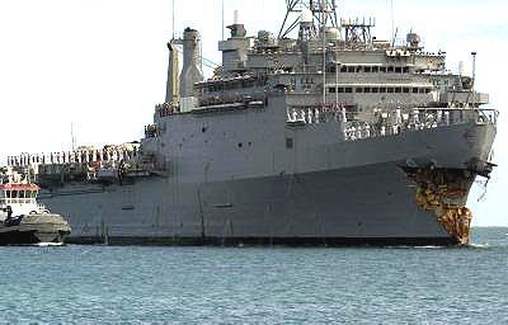
My old ship...
Many coastlines are not suited for amphibious landings due to the gradient of the beach, etc. In World War II the Allies built a number of concrete structures called Mulberries that were towed from the UK to Normandy, then sunk right off the beaches to allow ships to unload cargo or vehicles and drive them ashore without having to deal with the surf, etc.
The Chinese have resurrected the idea with the construction of barges that are towed into position and then jacked up. Multiple barges can be connected by bridges to allow large ships to unload offshore. The Chinese call them "shui qiao" (Literally: water bridge).
Very clever.
The Chinese have resurrected the idea with the construction of barges that are towed into position and then jacked up. Multiple barges can be connected by bridges to allow large ships to unload offshore. The Chinese call them "shui qiao" (Literally: water bridge).
Very clever.
As has been widely reported in the media, the U.S. administration is requesting a very large increase in military spending -- basically a 50% increase. Congress must approve all spending and it's anybody's guess whether the increase will survive the budget process.
In any event, this post attempts to summarize what the increase would mean in terms of U.S. Navy warships by ship type.
SSBN (Ballistic missile submarines) -- The first of a new class of SSBN is scheduled to join the fleet in 2029, with subsequent boats following at the rate of one per year until a total of 12 are active. These Columbia-class submarines are a vital component of U.S. strategic forces and the program is unlikely to be cut.
SSGN (Missile submarines) -- The current four ex-SSBN SSGNs are slated to be retired beginning in 2027. Four new purpose-built SSGNs are proposed to be built beginning in the 2040s.
SSN (Attack submarines) -- Virginia-class SSNs are planned to join the fleet at a rate of 1-2 per year. As previously discussed in this thread, U.S. shipyards have faced difficulty in keeping up with orders for submarines. While the current force is about 50 boats, the goal is 60-plus.
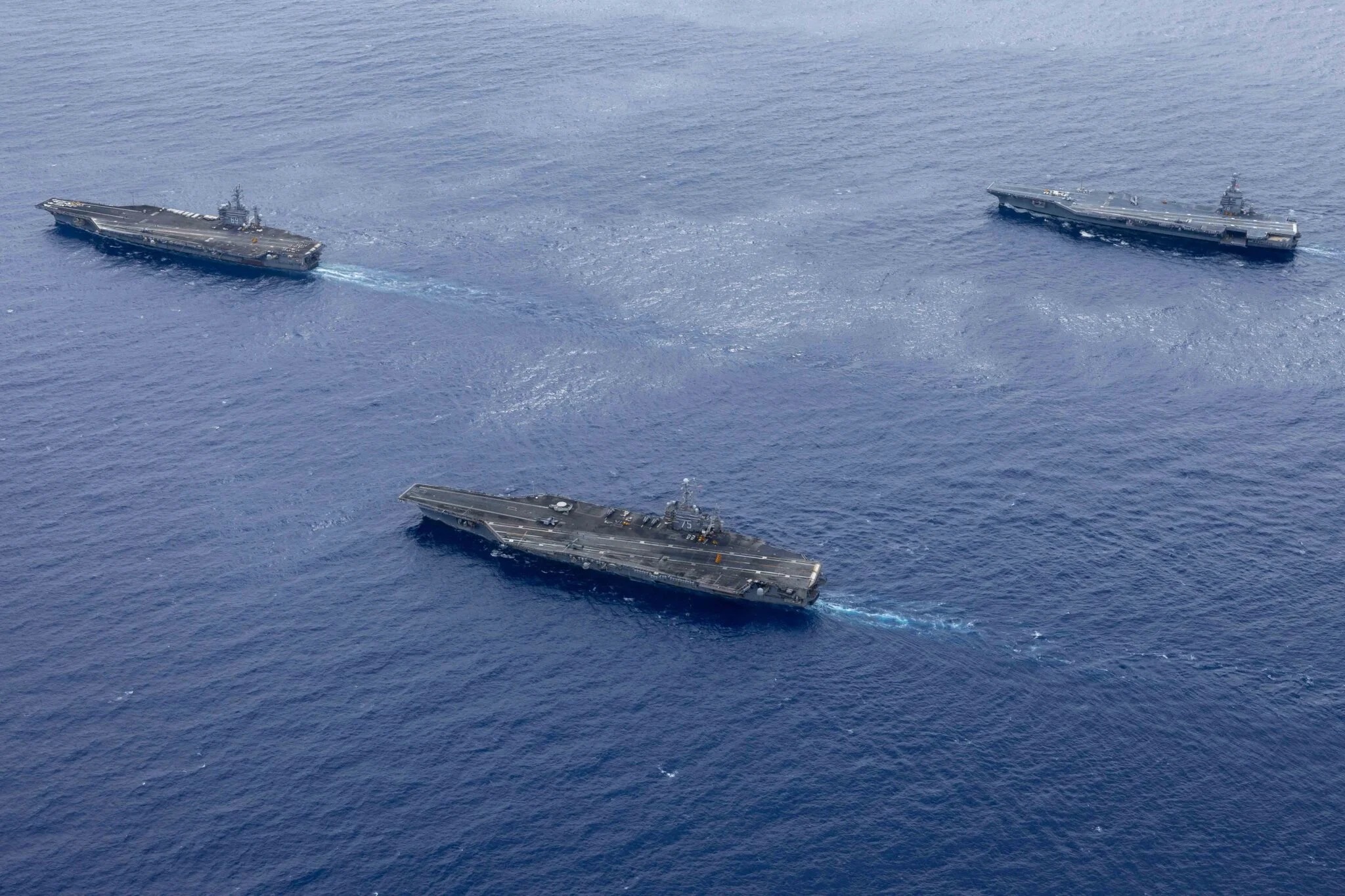
CVN (Aircraft carriers) -- Ford-class carriers continue under construction, replacing older Nimitz-class carriers. New ships will join the fleet every 3-4 years. The projected force level of CVNs will drop from 11 to 10 and perhaps even 9 ships; the goal is 10 active carriers plus 1 ship in overhaul.
BBGN (Battleships) -- The first nuclear-powered battleship is projected to be funded in 2028, with a total of 15 ships to be built over the next 30 years.
CG (Missile cruisers) -- The AEGIS missile cruisers are going fast, with retiring ships replaced in the air and missile defense role by improved missile destroyers.
DDG (Missile destroyers) -- The Arleigh Burke class DDGs continue to be purchased at the rate of two per year. Early ships will start retiring soon, with the latest versions having improvements across the board. The total force of destroyers is projected to be 70-80 ships.
FF (Frigates) -- The smaller and less capable frigates will free up DDGs for more challenging missions. The original plan was for only a dozen frigates -- the budget now projects a total of over 60. The current plan is to base the frigate design on a Coast Guard design.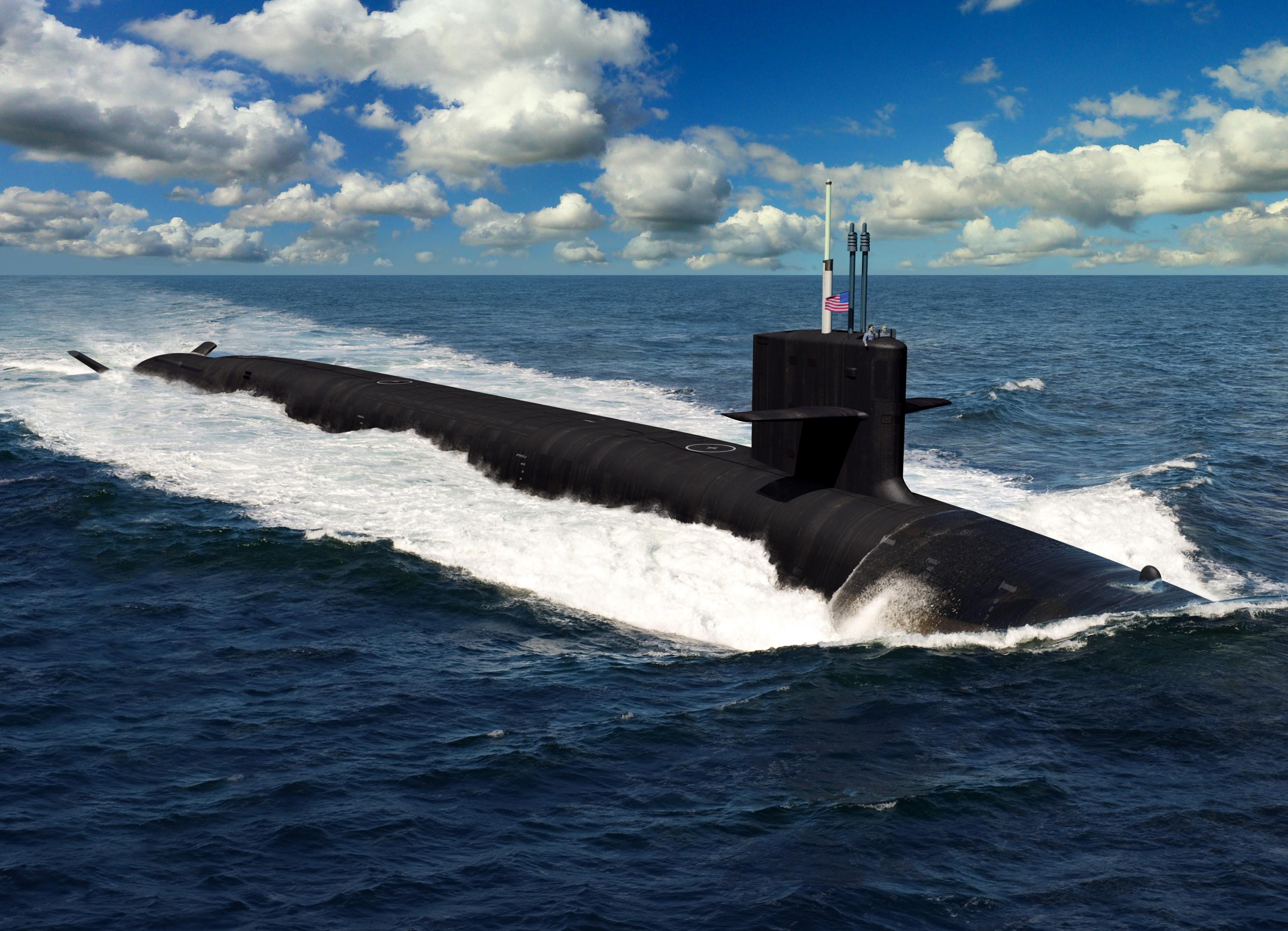
In any event, this post attempts to summarize what the increase would mean in terms of U.S. Navy warships by ship type.
SSBN (Ballistic missile submarines) -- The first of a new class of SSBN is scheduled to join the fleet in 2029, with subsequent boats following at the rate of one per year until a total of 12 are active. These Columbia-class submarines are a vital component of U.S. strategic forces and the program is unlikely to be cut.
SSGN (Missile submarines) -- The current four ex-SSBN SSGNs are slated to be retired beginning in 2027. Four new purpose-built SSGNs are proposed to be built beginning in the 2040s.
SSN (Attack submarines) -- Virginia-class SSNs are planned to join the fleet at a rate of 1-2 per year. As previously discussed in this thread, U.S. shipyards have faced difficulty in keeping up with orders for submarines. While the current force is about 50 boats, the goal is 60-plus.
CVN (Aircraft carriers) -- Ford-class carriers continue under construction, replacing older Nimitz-class carriers. New ships will join the fleet every 3-4 years. The projected force level of CVNs will drop from 11 to 10 and perhaps even 9 ships; the goal is 10 active carriers plus 1 ship in overhaul.
BBGN (Battleships) -- The first nuclear-powered battleship is projected to be funded in 2028, with a total of 15 ships to be built over the next 30 years.
CG (Missile cruisers) -- The AEGIS missile cruisers are going fast, with retiring ships replaced in the air and missile defense role by improved missile destroyers.
DDG (Missile destroyers) -- The Arleigh Burke class DDGs continue to be purchased at the rate of two per year. Early ships will start retiring soon, with the latest versions having improvements across the board. The total force of destroyers is projected to be 70-80 ships.
FF (Frigates) -- The smaller and less capable frigates will free up DDGs for more challenging missions. The original plan was for only a dozen frigates -- the budget now projects a total of over 60. The current plan is to base the frigate design on a Coast Guard design.
Llarry wroteA couple of notes that I failed to address in my post:CVN (Aircraft carriers) -- Ford-class carriers continue under construction, replacing older Nimitz-class carriers. New ships will join the fleet every 3-4 years. The projected force level of CVNs will drop from 11 to 10 and perhaps even 9 ships; the goal is 10 active carriers.
BBGN (Battleships) -- The first nuclear-powered battleship is projected to be funded in 2028, with a total of 15 ships to be built over the next 30 years.
-- The Navy intends to modify the Ford-class CVNs, with details that are not clear but include an effort to reduce cost
-- The term "battleship" traditionally refers to a heavily armed warship with extensive armor protection. Apparently the planned BBGN will not have armor protection. A more appropriate designation might be "battle cruiser" which is a warship with battleship-level armament but less armor protection. The chance of anyone in the Navy listening to me on this point is zero.

The South Korean government has announced a program to develop and build nuclear-powered attack submarines. They plan to launch the first boat in the mid-2030s and have that SSN active by the late 2030s.
This program is partly in reaction to North Korean efforts to build a nuclear-powered missile submarine. Few details are available about the N. Korean effort.
This program is partly in reaction to North Korean efforts to build a nuclear-powered missile submarine. Few details are available about the N. Korean effort.
Llarry wroteA bit more digging found a photo of the North Korean SSBN dating to last December. It is said to displace 8,700 tons. Is it actually steel with a functional nuclear reactor? When will it be launched and then when will it be operational? All unknowns at this point.The South Korean government has announced a program to develop and build nuclear-powered attack submarines. They plan to launch the first boat in the mid-2030s and have that SSN active by the late 2030s.
This program is partly in reaction to North Korean efforts to build a nuclear-powered missile submarine. Few details are available about the N. Korean effort.
Llarry wroteThat's a LOT of clay!A bit more digging found a photo of the North Korean SSBN dating to last December. It is said to displace 8,700 tons. Is it actually steel with a functional nuclear reactor? When will it be launched and then when will it be operational? All unknowns at this point.
Think it has no reactor since we know the Ursa Major is at the bottom of the Med.
The AUKUS agreement to provide Australia with nuclear-powered attack submarines has been revised. The RAN will now take delivery of three brand new Virginia class SSNs in the 2030s rather than one new and two used boats.
The production rate of SSNs has averaged 1.3 per year in recent years. The Navy is buying two boats per year, but the shipyard can't keep up. Recent budgets have devoted funds to increase the rate of production.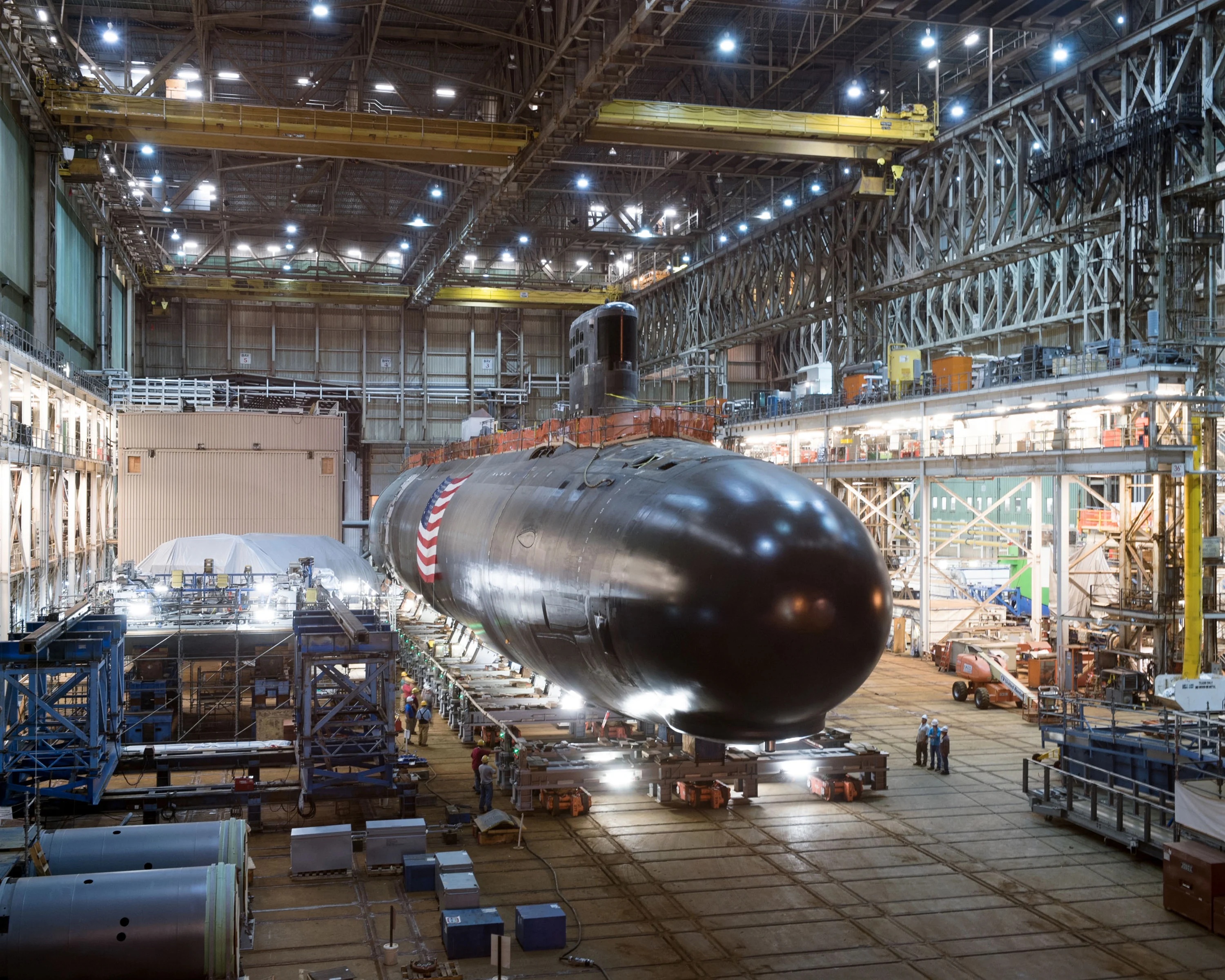

The production rate of SSNs has averaged 1.3 per year in recent years. The Navy is buying two boats per year, but the shipyard can't keep up. Recent budgets have devoted funds to increase the rate of production.
I posted highlights of the 2027 aircraft procurement budget submission in the airplane thread. Here are the highlights of the 2027 ship procurement budget.
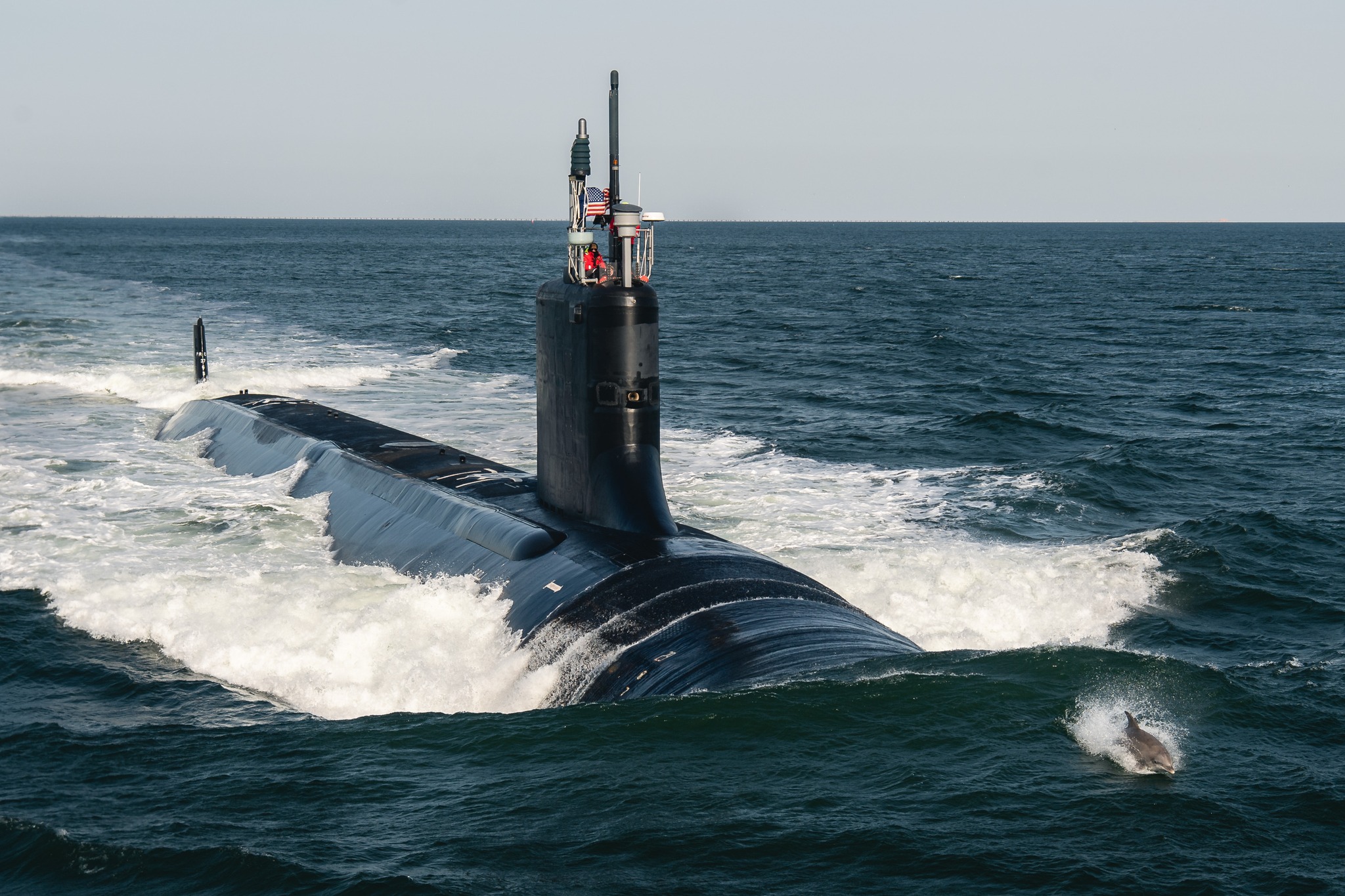
Ballistic missile submarines: The Columbia class SSBNs (SSBN 826-on) are being bought at one per year. The first is scheduled to be delivered in 2029, which probably means that it will not actually deploy until 2030 or even 2031. (photo)
Aircraft carriers: 3 Ford class CVNs have been authorized so far. These ships are being programmed to be bought every four years. None for 2027.
Attack submarines: 42 Virginia class SSNs have been authorized in previous years and the total desired is 58 boats. One is requested for 2027.
Battleships: The first BBGN is projected to be requested in 2028. There are still plenty of issues to resolve before these hit the water.
Missile destroyers: 97 have been authorized so far with one DDG requested for 2027. The goal is 107 ships. However, the first of this class -- the USS Arleigh Burke (DDG 51) -- was commissioned in 1991 and we may see early ships decommissioned before their late (and greatly improved) sisters are commissioned.
Missile frigates: Two FFGs were funded but follow on ships were cancelled.
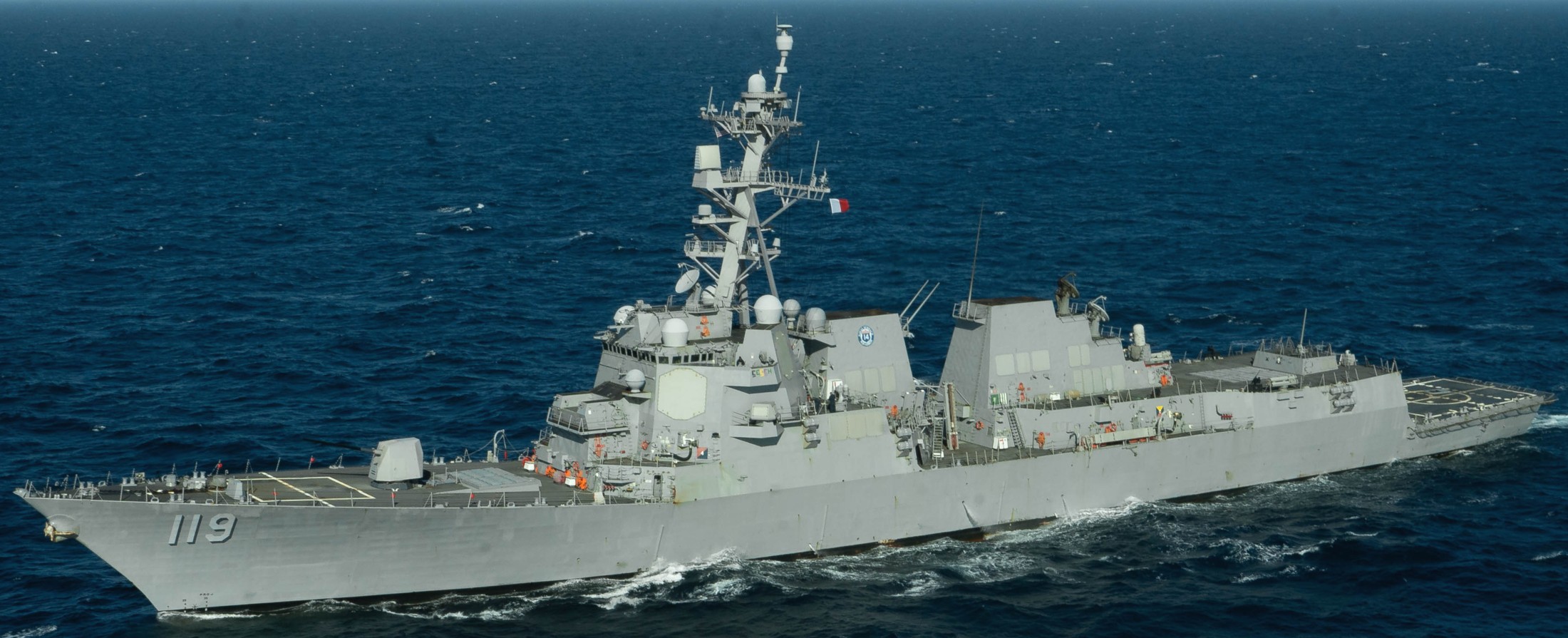
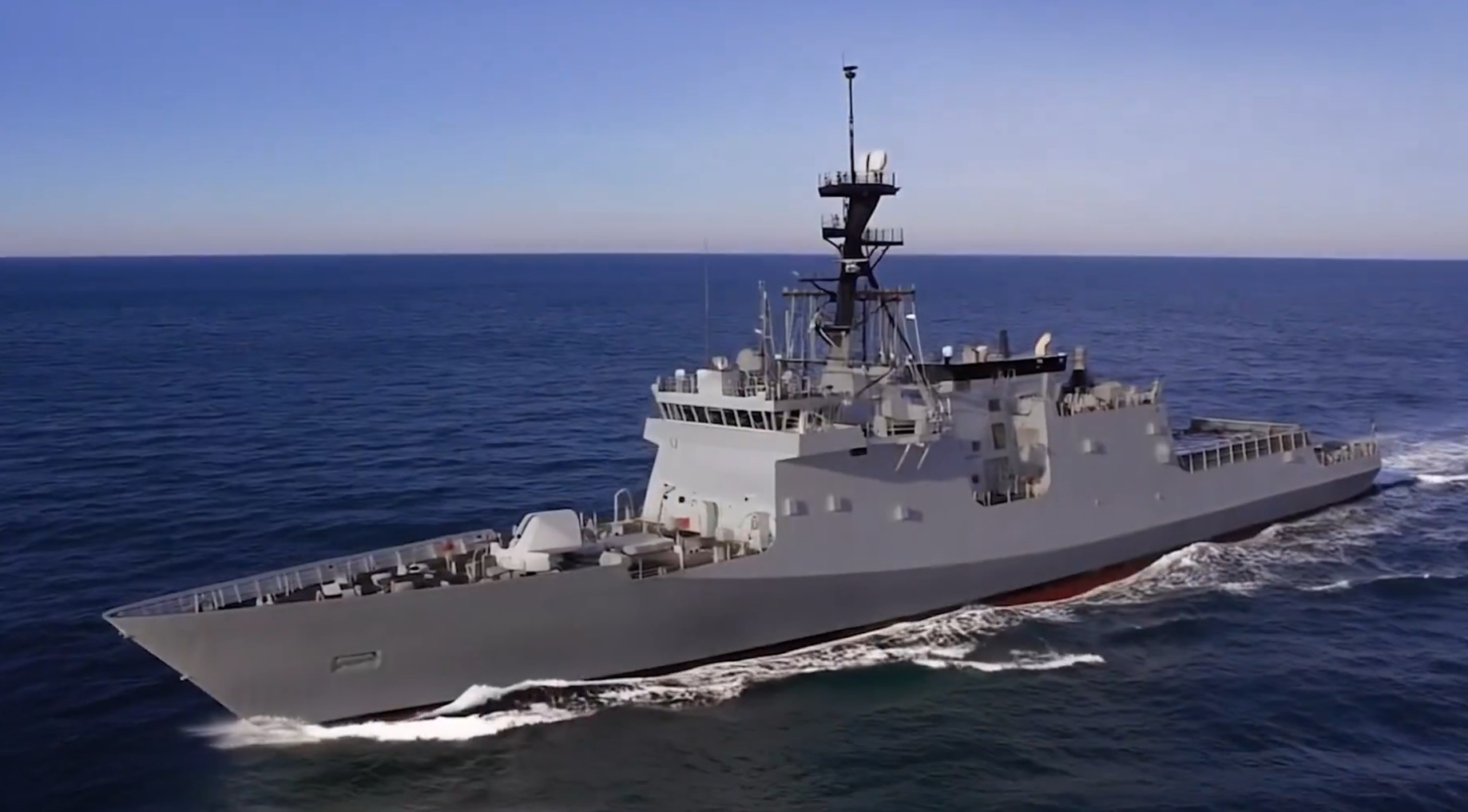
Frigates: The Navy adopted a Coast Guard design and is requesting the first to be authorized in 2027. The goal is 22 of these ships, which have been criticized as too lightly armed. (photo)
Littoral combat ships: 33 LCSs were delivered, but several have been retired early. 28 ships remain active and notably are used for mine countermeasures missions.
Amphibious transport docks -- Modified Flight II variants of these ships are under construction to replace dock landing ships. 4 have already been funded, one is requested for 2027 and the total desired is 9.
Amphibious helicopter assault ships -- These big deck carriers are an ongoing program, with 4 already building. Number 5 is requested for 2027 and the total desired is 6.
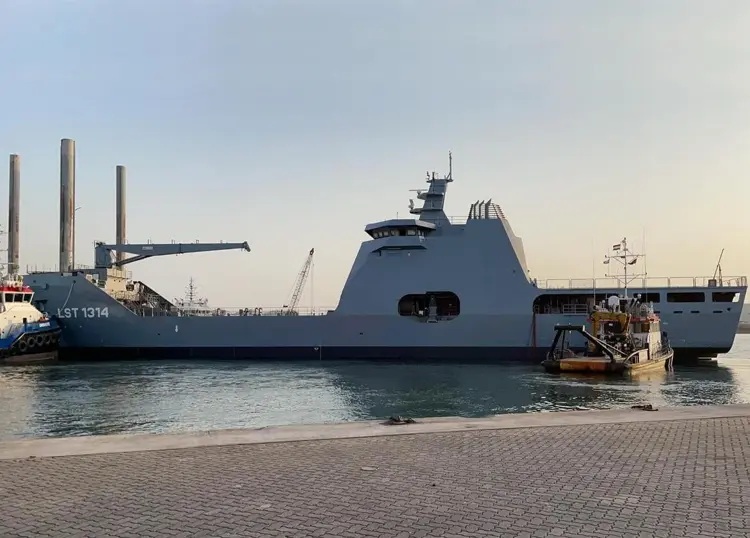
Medium landing ships -- 2 were authorized last year and none this year. The plan is for 21 ships with the first to be delivered in 2029.
Submarine tenders -- 2 are requested for 2027.
Oilers -- 10 civilian-manned T-AOs have been previously funded. None for 2027, but the desired total is 17 ships.
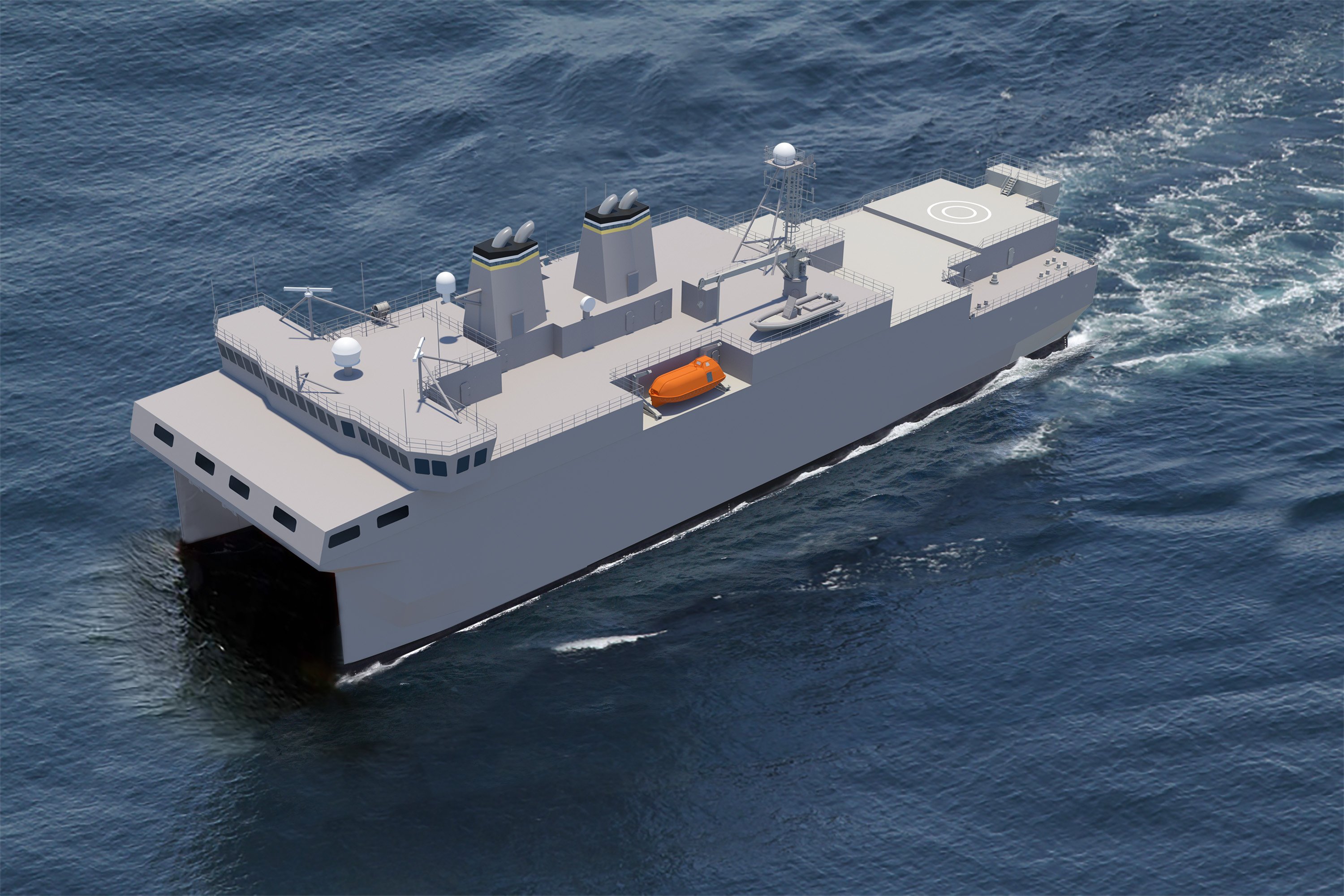
Ocean surveillance ships -- 2 civilian-manned T-AGOS were funded in prior year. 1 more is requested for 2027 with an ultimate goal of 7 ships. These ships are an important asset in tracking submarines -- particularly in the Pacific with a growing Chinese subsurface fleet. As a reminder, these ships patrol at low-speed towing very long sonar arrays. (photo)
As with all budget requests, Congress has the final say. This request is just the opening salvo in a potential battle over funding.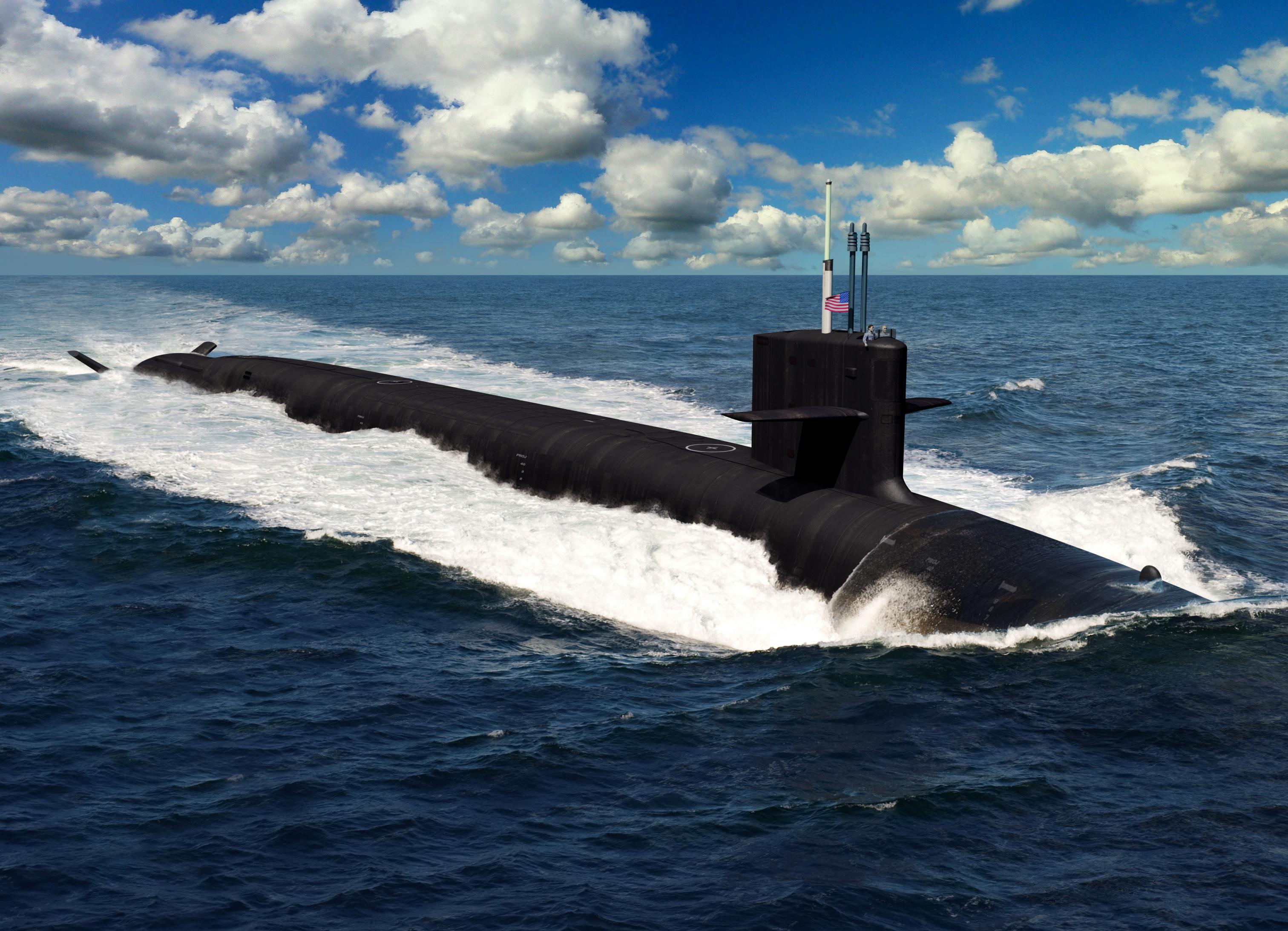
Ballistic missile submarines: The Columbia class SSBNs (SSBN 826-on) are being bought at one per year. The first is scheduled to be delivered in 2029, which probably means that it will not actually deploy until 2030 or even 2031. (photo)
Aircraft carriers: 3 Ford class CVNs have been authorized so far. These ships are being programmed to be bought every four years. None for 2027.
Attack submarines: 42 Virginia class SSNs have been authorized in previous years and the total desired is 58 boats. One is requested for 2027.
Battleships: The first BBGN is projected to be requested in 2028. There are still plenty of issues to resolve before these hit the water.
Missile destroyers: 97 have been authorized so far with one DDG requested for 2027. The goal is 107 ships. However, the first of this class -- the USS Arleigh Burke (DDG 51) -- was commissioned in 1991 and we may see early ships decommissioned before their late (and greatly improved) sisters are commissioned.
Missile frigates: Two FFGs were funded but follow on ships were cancelled.
Frigates: The Navy adopted a Coast Guard design and is requesting the first to be authorized in 2027. The goal is 22 of these ships, which have been criticized as too lightly armed. (photo)
Littoral combat ships: 33 LCSs were delivered, but several have been retired early. 28 ships remain active and notably are used for mine countermeasures missions.
Amphibious transport docks -- Modified Flight II variants of these ships are under construction to replace dock landing ships. 4 have already been funded, one is requested for 2027 and the total desired is 9.
Amphibious helicopter assault ships -- These big deck carriers are an ongoing program, with 4 already building. Number 5 is requested for 2027 and the total desired is 6.
Medium landing ships -- 2 were authorized last year and none this year. The plan is for 21 ships with the first to be delivered in 2029.
Submarine tenders -- 2 are requested for 2027.
Oilers -- 10 civilian-manned T-AOs have been previously funded. None for 2027, but the desired total is 17 ships.
Ocean surveillance ships -- 2 civilian-manned T-AGOS were funded in prior year. 1 more is requested for 2027 with an ultimate goal of 7 ships. These ships are an important asset in tracking submarines -- particularly in the Pacific with a growing Chinese subsurface fleet. As a reminder, these ships patrol at low-speed towing very long sonar arrays. (photo)
As with all budget requests, Congress has the final say. This request is just the opening salvo in a potential battle over funding.
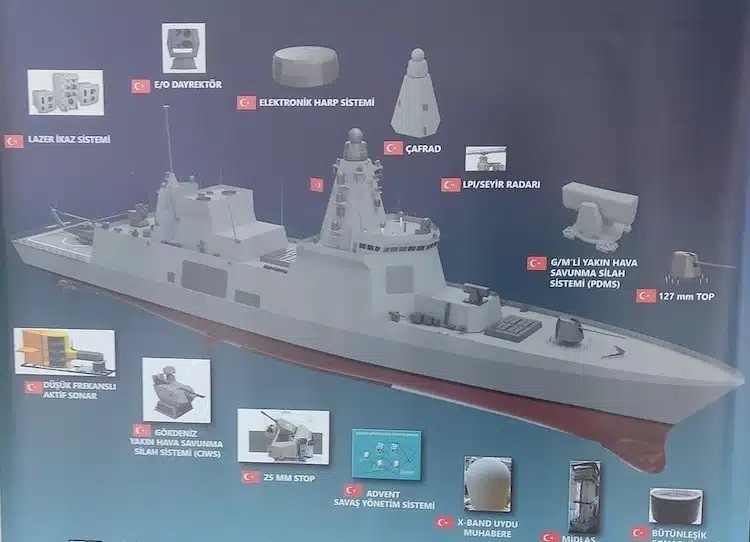
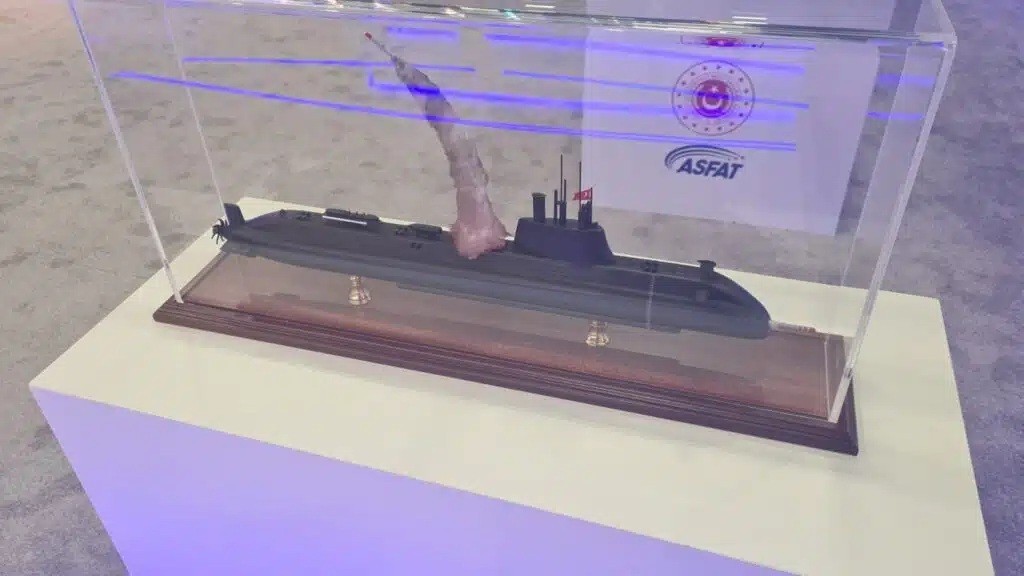
Turkey has big plans concerning their Navy. An aircraft carrier of about 60,000 tons displacement. A guided missile destroyer. And a submarine that includes land attack missiles. Very ambitious and all of Turkish design. Details are still scarce and there are some unknowns -- what aircraft on the carrier, etc.

An excellent photo of the USS Langley, the U.S. Navy's first aircraft carrier, after conversion to a seaplane tender. This photo was taken in 1938 and shows the Langley (formerly CV 1, then AV 3) with relatively large P2Y flying boats on deck. The P2Ys were large enough that the outer wings were removed and can be seen stored on the deck.
The Langley was sunk by Japanese aircraft in 1942.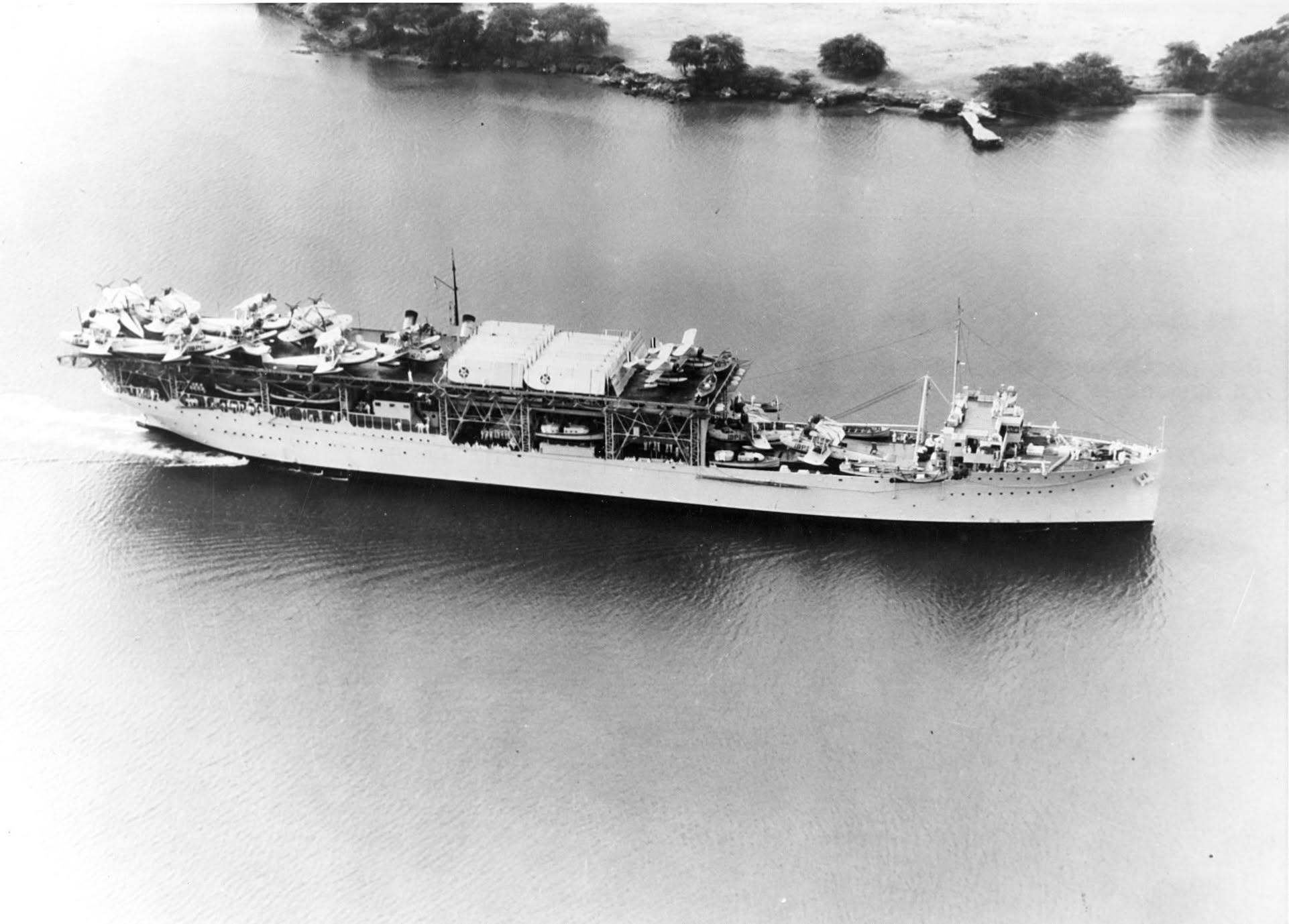
The Langley was sunk by Japanese aircraft in 1942.
China publicly announced it launched a ballistic missile from a nuclear-powered submarine into the Pacific Ocean Monday — a rare acknowledgment of its sea-based nuclear capabilities that came as U.S. allies deepen security ties in the Indo-Pacific and NATO leaders prepare to meet amid growing concerns over Beijing's military ambitions.
China's People's Liberation Army Navy said the missile, carrying a dummy warhead, was fired from a Type 094 Jin-class ballistic missile submarine during what Beijing described as a routine annual training exercise.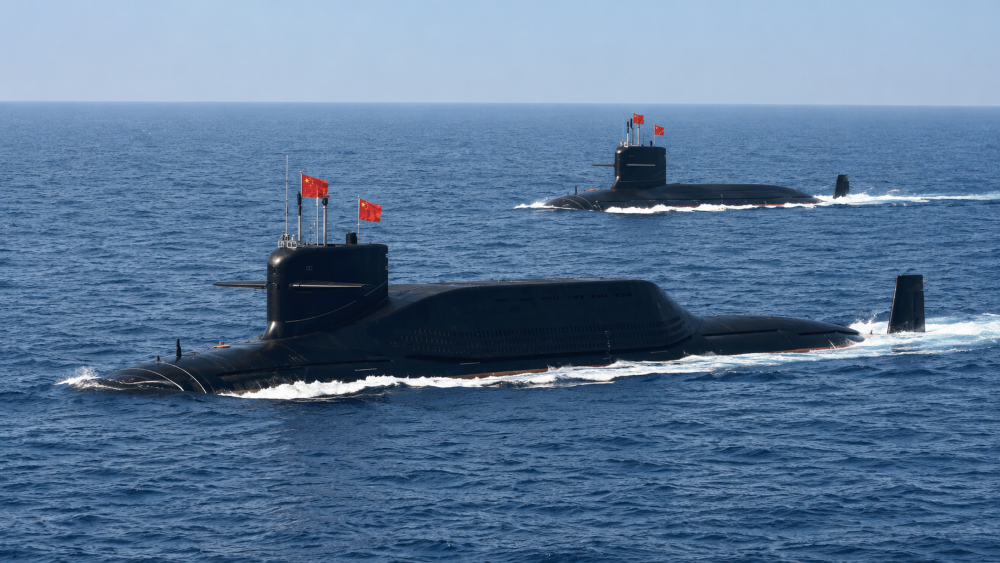
China's People's Liberation Army Navy said the missile, carrying a dummy warhead, was fired from a Type 094 Jin-class ballistic missile submarine during what Beijing described as a routine annual training exercise.
Llarry wrotePer Wikipedia, the Type 212CD was selected for purchase as the Canadian Patrol Submarine. I'm sure both designs would have been very useful. Details as to when the RCN can expect the first deliveries are not yet clear. The sooner the better! This is a major boost for Canada's naval capabilities.A Korean KSS-III type submarine, the ROKS Dosan Ahn Changho (SS-083) is currently transiting the Pacific to visit Pacific Canada. The Korean-designed subs are contenders for an order (of up to 12 units) for the Royal Canadian Navy. The ROKN plans to buy 9 total boats of the class.
The only other contender is the German Type 212CD submarine that is currently on order for the German and Norwegian navies; no Type 212CD is yet operational and construction of the first boat started in 2023. The Deutsche Marine plans to have 6-9 submarines of the class, while Norway has ordered 6 total. The first Norwegian boat should be complete by 2029.
Both classes are among the most advanced submarines in the world.
The KSS-III boats feature propulsion using 3 Diesel engines, an air-independent propulsion (AIP) system using 4 fuel cells and lithium-ion batteries. They displace about 4,000 tons when submerged and feature six 533mm torpedo tubes plus six vertical-launch missile tubes.
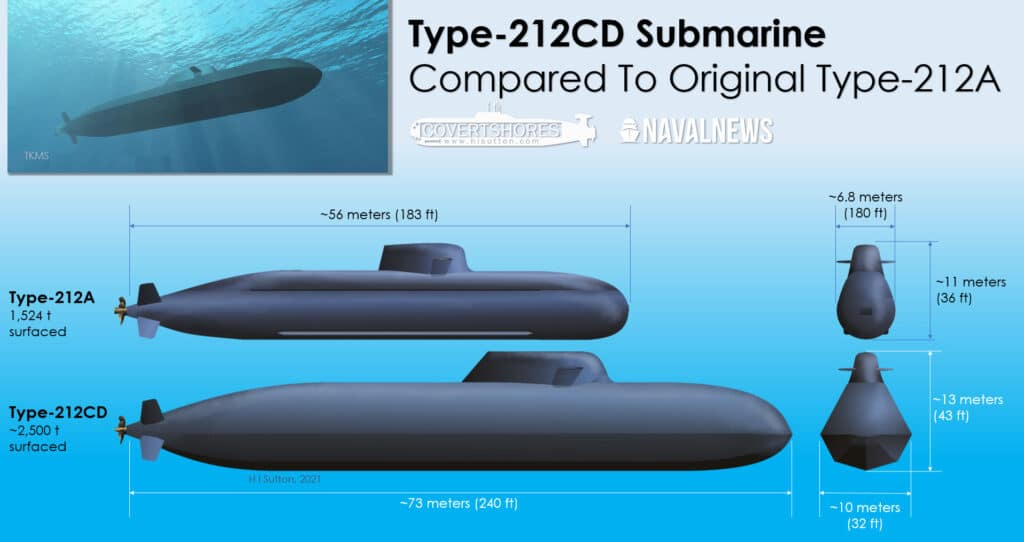
The Type 212CD is based on the existing Type 212A design but will be nearly twice the size at 2,800 tons submerged. They will be fitted with two Diesel engines and a hydrogen fuel cell AIP system. Four 533mm torpedo will be fitted.
Both competitors have offered industrial partnerships to Canada as part of their bids, although I believe the submarines will not be Canadian built.
A decision by Canada is expected in 2026 with a goal of commissioning the first new boats in the mid-2030s.
https://en.wikipedia.org/wiki/Canadian_Patrol_Submarine
Well, it will be Germany TKMS’ 212CD
https://canadiandefencereview.com/canada-chooses-tkms-as-preferred-bidder-for-cpsp-submarine-fleet/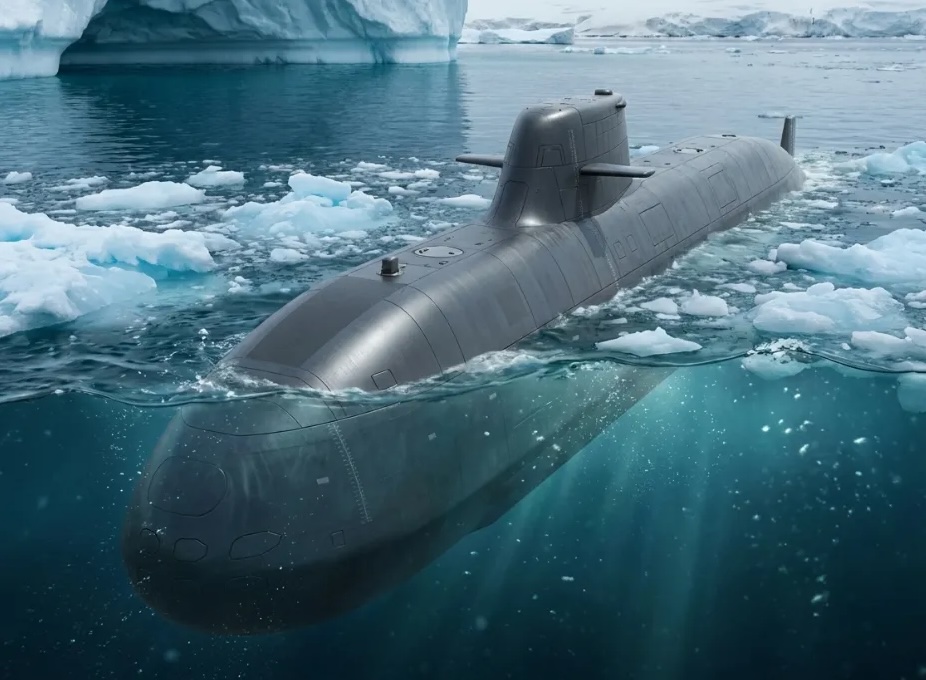
https://canadiandefencereview.com/canada-chooses-tkms-as-preferred-bidder-for-cpsp-submarine-fleet/
The Canadian Patrol Submarine is a major (and expensive) effort to boost Canada's maritime security.
Before Canada joined the program, Norway and Germany had already planned integrated efforts for design and sustainment of the Type 212CD boats. ThyssenKrupp Marine Systems (TKMS) based the design on the smaller Type 212A submarine, but with many improvements. With Canada joining the program, some components will be Canadian-supplied.
The first thing you notice about this submarine is the diamond-shaped hull form, which is designed to scatter sounds waves -- a bit analogous to stealth aircraft. Another interesting design feature is the offset torpedo tubes at the bow (see below).
Compared with its Type 212A predecessor the 212CD is considerably larger (see data sheet) but retains a relatively small crew.
Norway plans to buy 6 boats and Germany to buy 6-9. All units will be based at Haakonvern, Norway. The dozen Canadian boats will be based on the both the Atlantic and Pacific coasts. The first RCN deliveries are projected for 2033-34; Germany is permitting Canada to take early delivery by diverting boats originally intended for Germany to Canada.
The first Type 212CD is scheduled to be commissioned in the Royal Norwegian Navy in 2029, joined a year later by the second boat. The 4th and 5th boats are scheduled to go to Germany in 2031 and 2034. The addition of Canada is introducing some changes in the order of delivery -- the first four RCN boats are due by 2034.
bcfcec201a87473656f8.pdf
bcfcec201a87473656f8.pdf
bcfcec201a87473656f8.pdf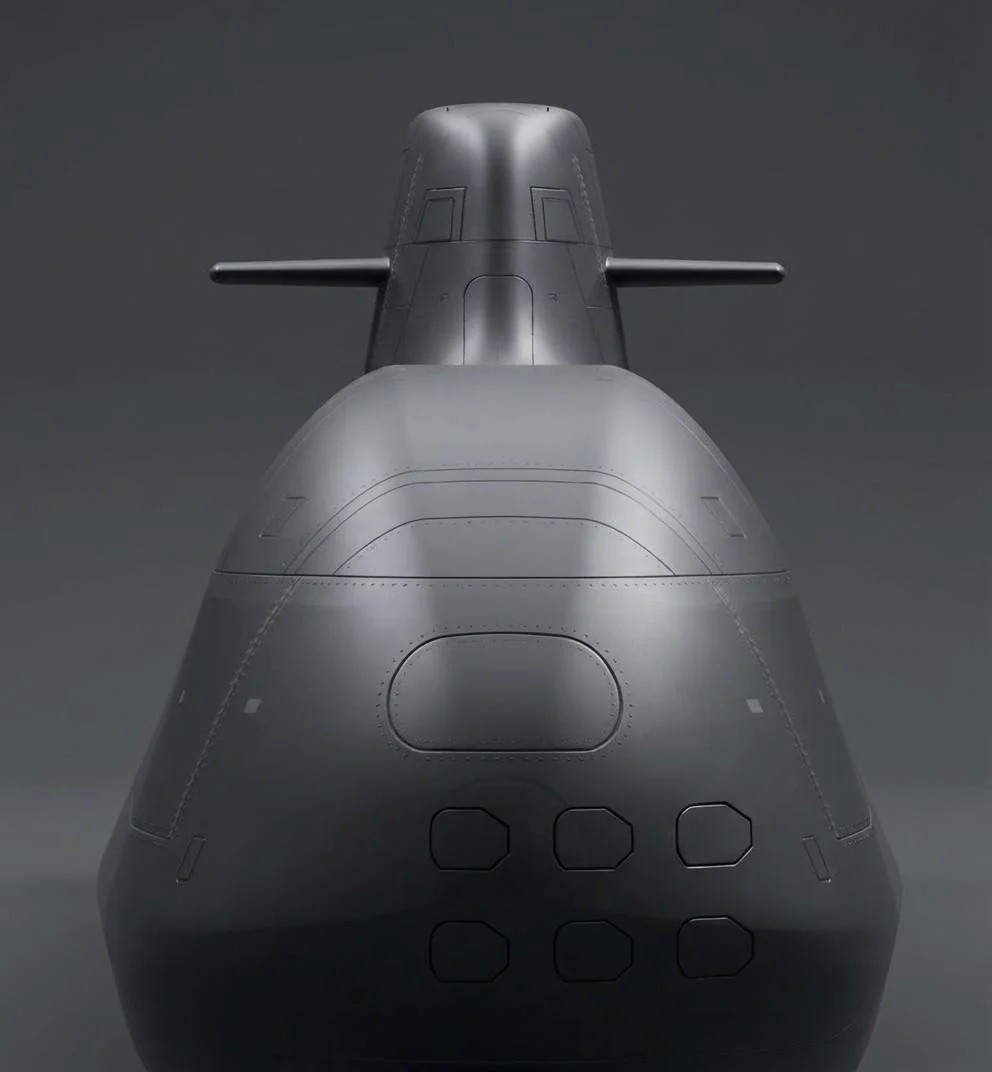
Before Canada joined the program, Norway and Germany had already planned integrated efforts for design and sustainment of the Type 212CD boats. ThyssenKrupp Marine Systems (TKMS) based the design on the smaller Type 212A submarine, but with many improvements. With Canada joining the program, some components will be Canadian-supplied.
The first thing you notice about this submarine is the diamond-shaped hull form, which is designed to scatter sounds waves -- a bit analogous to stealth aircraft. Another interesting design feature is the offset torpedo tubes at the bow (see below).
Compared with its Type 212A predecessor the 212CD is considerably larger (see data sheet) but retains a relatively small crew.
Norway plans to buy 6 boats and Germany to buy 6-9. All units will be based at Haakonvern, Norway. The dozen Canadian boats will be based on the both the Atlantic and Pacific coasts. The first RCN deliveries are projected for 2033-34; Germany is permitting Canada to take early delivery by diverting boats originally intended for Germany to Canada.
The first Type 212CD is scheduled to be commissioned in the Royal Norwegian Navy in 2029, joined a year later by the second boat. The 4th and 5th boats are scheduled to go to Germany in 2031 and 2034. The addition of Canada is introducing some changes in the order of delivery -- the first four RCN boats are due by 2034.
bcfcec201a87473656f8.pdf
bcfcec201a87473656f8.pdf
bcfcec201a87473656f8.pdf
Were it visible, those asymmetric torpedo tubes would drive some people crazy!
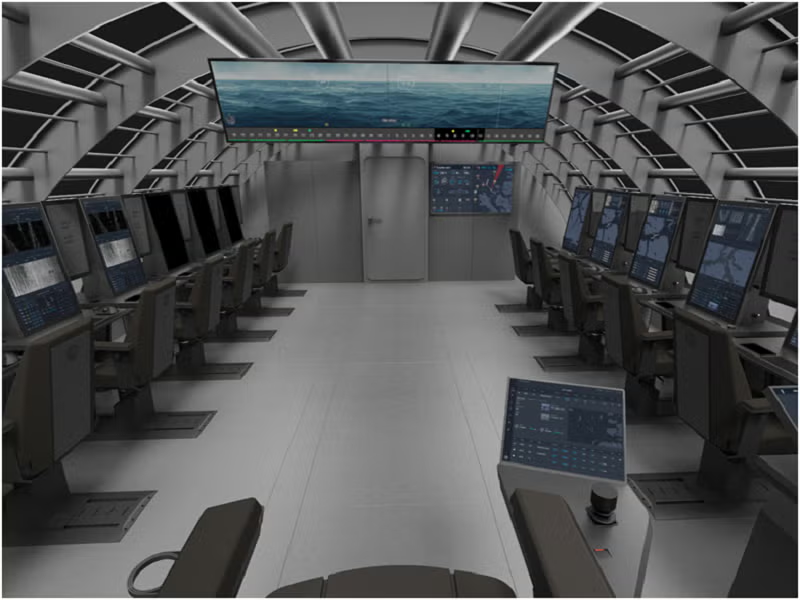
I've got five bucks that says that control room CGI is way too uncluttered. Both boats that I was on were very crowded everywhere with the possible exception of the crew's mess.
Llarry wroteAnd what year would that be?... Both boats that I was on were very crowded everywhere with the possible exception of the crew's mess.
