

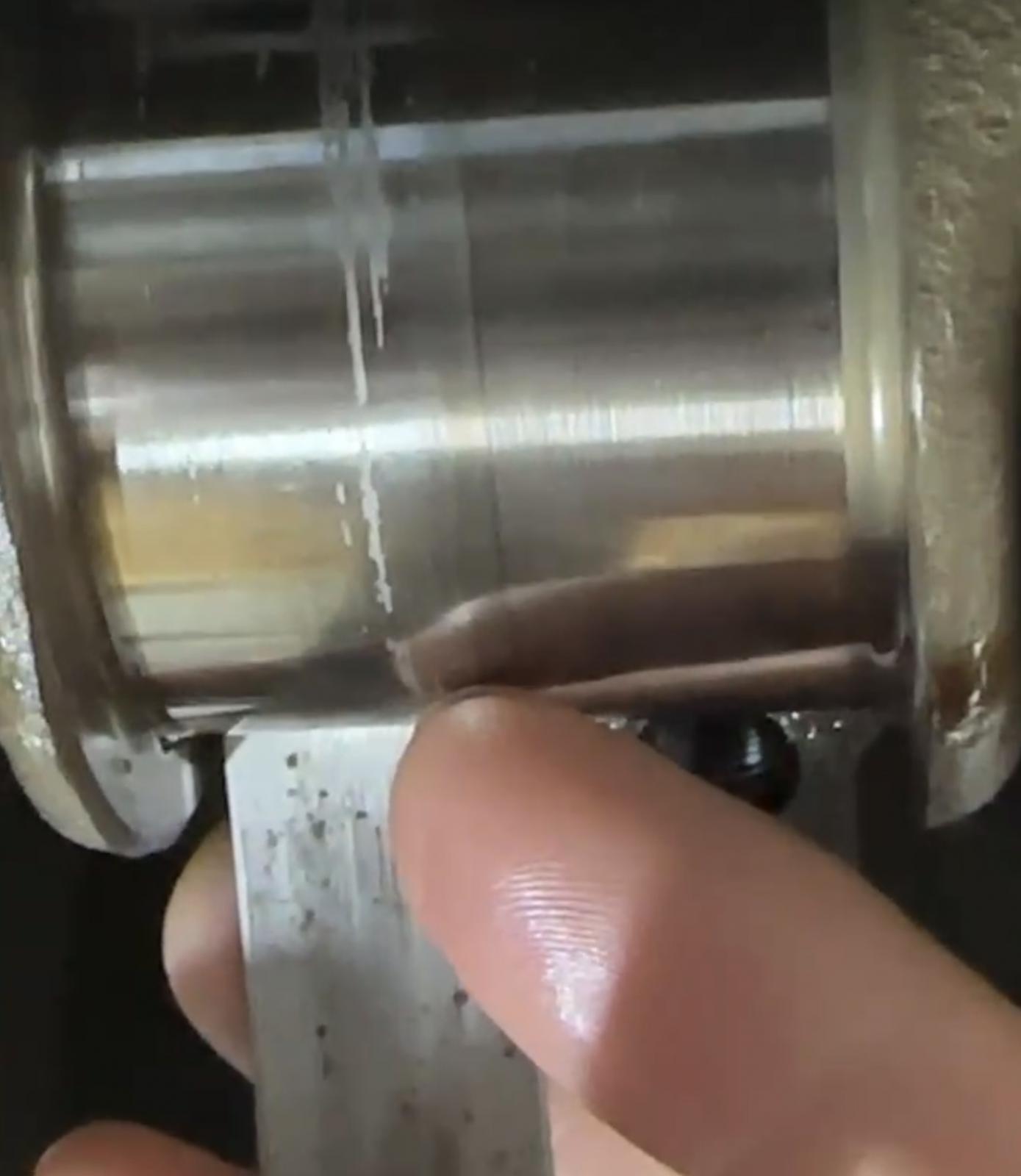
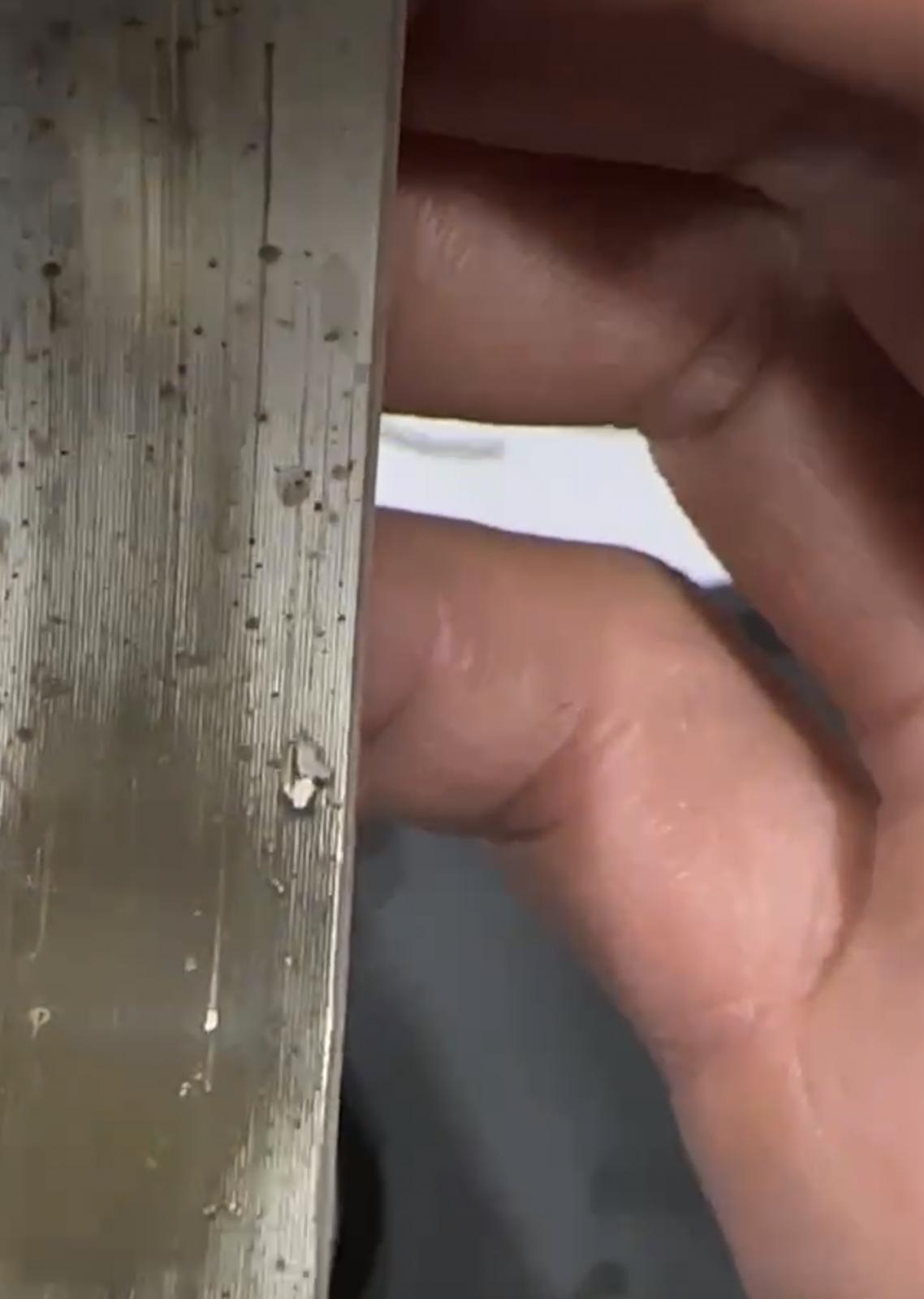
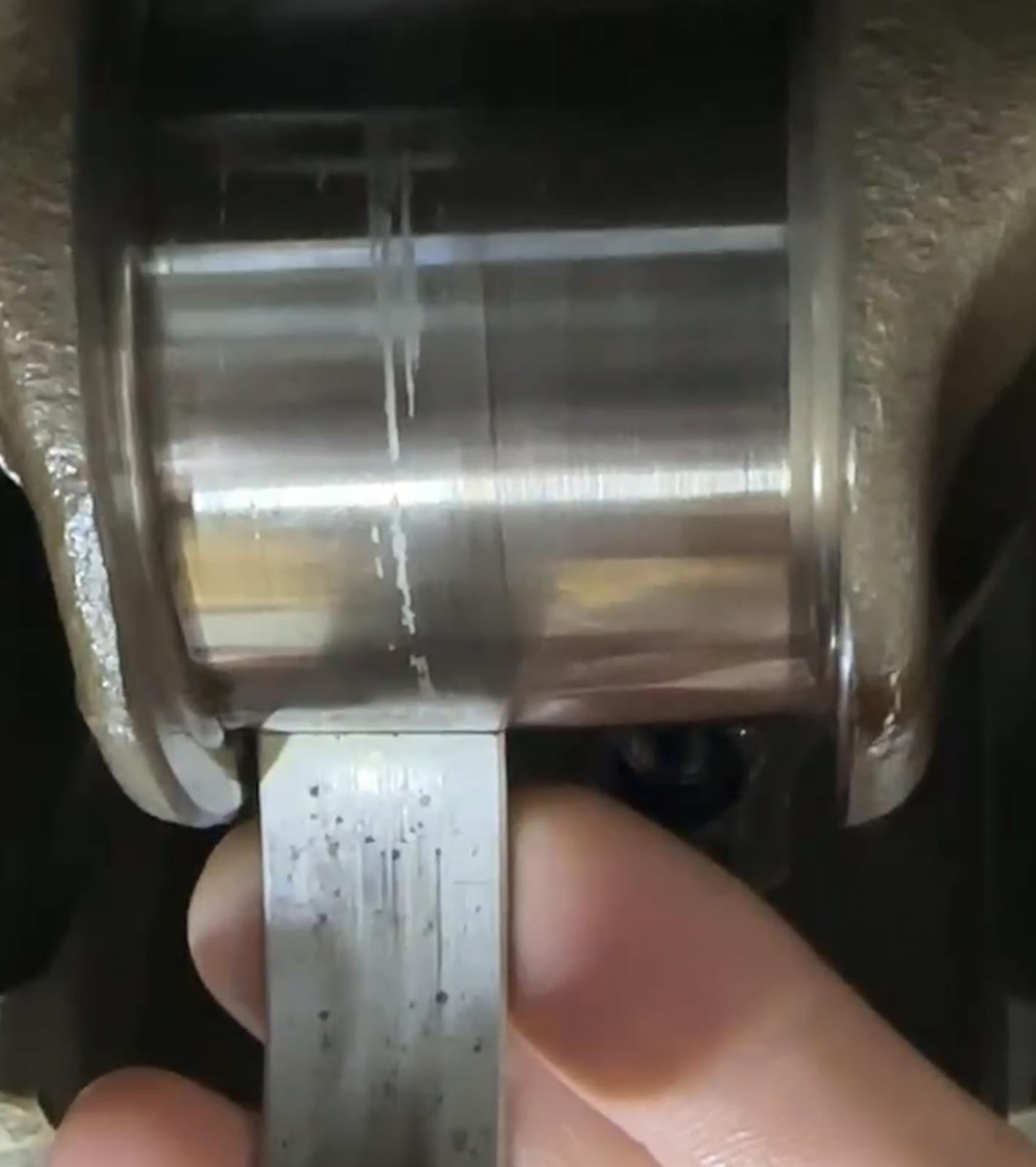
Unfortunately, today when I planned to replace my 09 E90M3 with 130,000 kilometers on it, I discovered scratches on one of the crankshafts, clearly caused by metal shavings. What should I do? Do I need to replace the crankshaft? I'm devastated.
 Featured on BIMMERPOST.com news
87.9KVIEWS
173REPLIES
264APPRECIATES
08-07-2026LAST POST
Watermelon6161 wroteThat type of damage is problematic, and would certainly necessitate engine removal for replacement of the crankshaft for a correct repair. With that said- that type of damage has resulted from imperfections in the crankshaft and created valleys in the hardened layer of the crankshaft. The damage is not proud of the journal's surface like most type of scoring. The journal *can* still function if needed, and obviously has remained functional since the damage occurred.Unfortunately, today when I planned to replace my 09 E90M3 with 130,000 kilometers on it, I discovered scratches on one of the crankshafts, clearly caused by metal shavings. What should I do? Do I need to replace the crankshaft? I'm devastated.
The best route is removal and rebuild. However if that is not possible and you feel adventurous or in an experimental mood, I would check the journal carefully and confirm there are no proud gouges, clean it up as best as possible and install new bearings. Reassemble and see how long you can go. You might be surprised how many more miles the engine will go.
Watermelon6161 wroteIf you run your finger nail ever so gently over the crank journal markings (shown in the photographs) do you feel the markings are raised or recessed? The reason I ask is I'm wondering "if" what you're seeing is some lead deposition (smearing) transferred from the bearing shell surface onto the crank journal surface? If the marks are just lead deposits from the bearings then I think the journal can be polished and cleaned up. AsUnfortunately, today when I planned to replace my 09 E90M3 with 130,000 kilometers on it, I discovered scratches on one of the crankshafts, clearly caused by metal shavings. What should I do? Do I need to replace the crankshaft? I'm devastated.
 deansbimmer mentioned "if" the markings are gorges or valleys i.e. not raised the crank could still be cleaned up and returned to service IMO.
As the other guys discussed, if they are grooves (which wouldn't gouge any new bearings) and not raised 'lines' (which would gouge bearings), then I'd be installing new bearings and seeing how it goes.
Unless a rebuild is not a major issue for you.
Can you see what caused those gouges on the old shells?
Have you got full photos of the shells for that journal?
Unless a rebuild is not a major issue for you.
Can you see what caused those gouges on the old shells?
Have you got full photos of the shells for that journal?
deansbimmer wroteThank you very much for your input. It was indeed a difficult decision to make. In the end, I have decided to follow your advice and lightly polish the scratches before installing the new BE tile. I will observe it for a while. It has been installed now, and after a brief test drive, I haven't noticed any other issues so far.That type of damage is problematic, and would certainly necessitate engine removal for replacement of the crankshaft for a correct repair. With that said- that type of damage has resulted from imperfections in the crankshaft and created valleys in the hardened layer of the crankshaft. The damage is not proud of the journal's surface like most type of scoring. The journal *can* still function if needed, and obviously has remained functional since the damage occurred.
The best route is removal and rebuild. However if that is not possible and you feel adventurous or in an experimental mood, I would check the journal carefully and confirm there are no proud gouges, clean it up as best as possible and install new bearings. Reassemble and see how long you can go. You might be surprised how many more miles the engine will go.
DrFerry wroteAfter a slight polishing and the installation of new bearings, nothing has happened yet.If you run your finger nail ever so gently over the crank journal markings (shown in the photographs) do you feel the markings are raised or recessed? The reason I ask is I'm wondering "if" what you're seeing is some lead deposition (smearing) transferred from the bearing shell surface onto the crank journal surface? If the marks are just lead deposits from the bearings then I think the journal can be polished and cleaned up. As
Assimilator1 wroteUpon inspection on site, it was observed that there were metal-like substances on the bearings, indicating the presence of foreign objects during the second installation of the bearings.As the other guys discussed, if they are grooves (which wouldn't gouge any new bearings) and not raised 'lines' (which would gouge bearings), then I'd be installing new bearings and seeing how it goes.
Unless a rebuild is not a major issue for you.
Can you see what caused those gouges on the old shells?
Have you got full photos of the shells for that journal?
Got any more photos of that?
Keep us posted.
Oh btw, a similar case to yours, although his shells were much worse, the copper had started flaking off! Is discussed in this thread
He did 28k miles on the scored crank! (with new OEM bearings), then sold it.
Watermelon6161 wroteI hope it works out well in the long run too (if I had to bet on it, I'd bet it would last a long time).After a slight polishing and the installation of new bearings, nothing has happened yet.
Keep us posted.
Oh btw, a similar case to yours, although his shells were much worse, the copper had started flaking off! Is discussed in this thread
He did 28k miles on the scored crank! (with new OEM bearings), then sold it.
M9 fit Bolts. Torque Spec 11 11 2AZ.
I’m reading it as two steps…8nm and then 130 degrees.
This write up, Sarka on the Ring YT Video and m539’s YT Video says to go 8nm, 15mm, and then 130 degrees.
I see a discrepancy in step 10d(of this DIY), the Videos and TIS!
Can someone one confirm that I’m correct in my interpretation of TIS(Page 306).
I’m reading it as two steps…8nm and then 130 degrees.
This write up, Sarka on the Ring YT Video and m539’s YT Video says to go 8nm, 15mm, and then 130 degrees.
I see a discrepancy in step 10d(of this DIY), the Videos and TIS!
Can someone one confirm that I’m correct in my interpretation of TIS(Page 306).
It has been around 6 years after my original post. We continue to see a relatively steady number of main bearing failures, however still much lower than rod bearing failures. The below image of S65 blocks are from 2024 failures so far. We get engines in from all over as an S65 specialist. What we see in quantity is not typical of every shop.
Due to a recent video from an Australian company breathing new hysteria into the main bearing concern, I want to touch again on my opinion regarding main bearing replacements.
Main bearings are a relatively low risk. As these engines are aging and accruing significant mileages across the sample pool, we will see more continue to fail simply as a matter of time.
Most of these cars are well past 100k miles now. As my original post demonstrates, a proper main bearing replacement service is quite intensive, and very costly if performed to this degree of quality. To consider this amount of disassembly and NOT carry out a full rebuild seems financially foolish.
Since we see mains fail at a low % and usually past 100k miles where the rest of the engine is tired also, we recommend to not worry about main bearings until you're ready to consider an engine rebuild.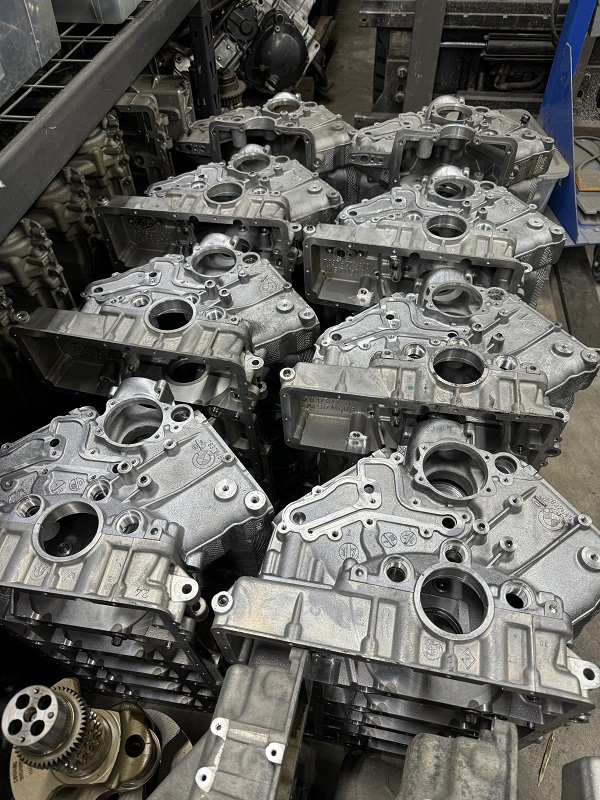
Due to a recent video from an Australian company breathing new hysteria into the main bearing concern, I want to touch again on my opinion regarding main bearing replacements.
Main bearings are a relatively low risk. As these engines are aging and accruing significant mileages across the sample pool, we will see more continue to fail simply as a matter of time.
Most of these cars are well past 100k miles now. As my original post demonstrates, a proper main bearing replacement service is quite intensive, and very costly if performed to this degree of quality. To consider this amount of disassembly and NOT carry out a full rebuild seems financially foolish.
Since we see mains fail at a low % and usually past 100k miles where the rest of the engine is tired also, we recommend to not worry about main bearings until you're ready to consider an engine rebuild.
deansbimmer wroteFunny you posted today. I just pulled my e90 out of the shop to take it for a spin and get it inspected. It's no longer my daily because of the family. You put new rod bearings in back in 2014 at your old shop when I first acquired it with 60k miles. I now have 141k on it and it still runs strong. Your attention to detail during the rebuild was nothing short of my own personal wrenching expectations. Would definitely recommend your services in the future.It has been around 6 years after my original post. We continue to see a relatively steady number of main bearing failures, however still much lower than rod bearing failures. The below image of S65 blocks are from 2024 failures so far. We get engines in from all over as an S65 specialist. What we see in quantity is not typical of every shop.
Due to a recent video from an Australian company breathing new hysteria into the main bearing concern, I want to touch again on my opinion regarding main bearing replacements.
Main bearings are a relatively low risk. As these engines are aging and accruing significant mileages across the sample pool, we will see more continue to fail simply as a matter of time.
Most of these cars are well past 100k miles now. As my original post demonstrates, a proper main bearing replacement service is quite intensive, and very costly if performed to this degree of quality. To consider this amount of disassembly and NOT carry out a full rebuild seems financially foolish.
Since we see mains fail at a low % and usually past 100k miles where the rest of the engine is tired also, we recommend to not worry about main bearings until you're ready to consider an engine rebuild.
Dang…it looks like you got about 10 dead engines in that picture! That’s heart breaking!💔
I dare not ask, but how much would an engine rebuild from Mporium run a person?
I dare not ask, but how much would an engine rebuild from Mporium run a person?
charliev68 wroteIt depends on the type of rebuild. After viable core return, A basic stock rebuild starts at around $15k, OEM + starts at around $17k, or a custom build $20k+.Dang…it looks like you got about 10 dead engines in that picture! That’s heart breaking!💔
I dare not ask, but how much would an engine rebuild from Mporium run a person?
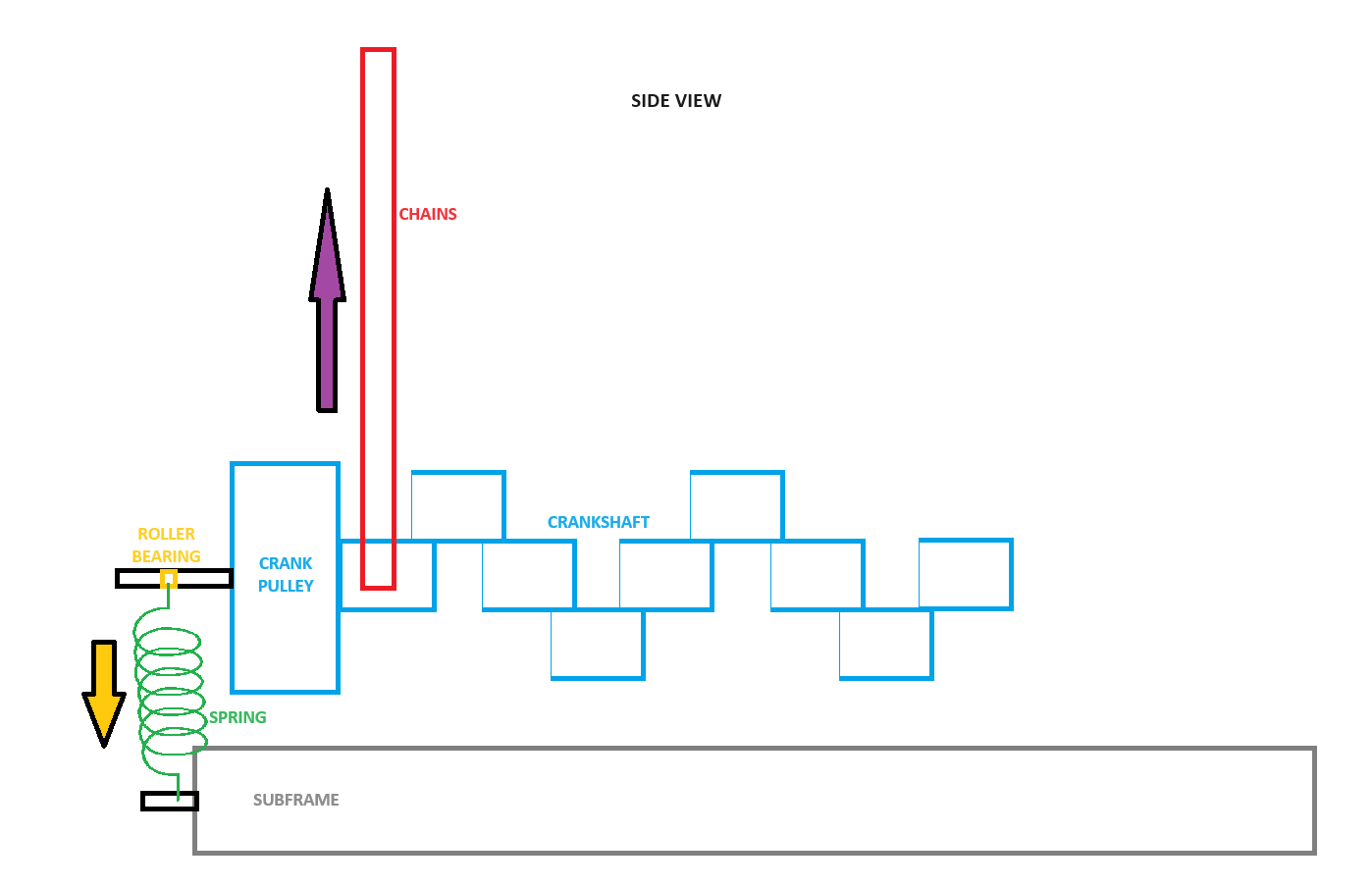
We should neutralize that excessive upward force by adding another force downwards. Something in the crank pulley, I don't know, just thinking loud. Zero engine inside work.
deansbimmer just out of interest, are all those engines you see with main bearing failure failing at bearing #1? When you rebuild an s65 do you increase the clearance on the upper main #1? And lastly, who many, if any, of those failed engines have usable blocks?
what about that?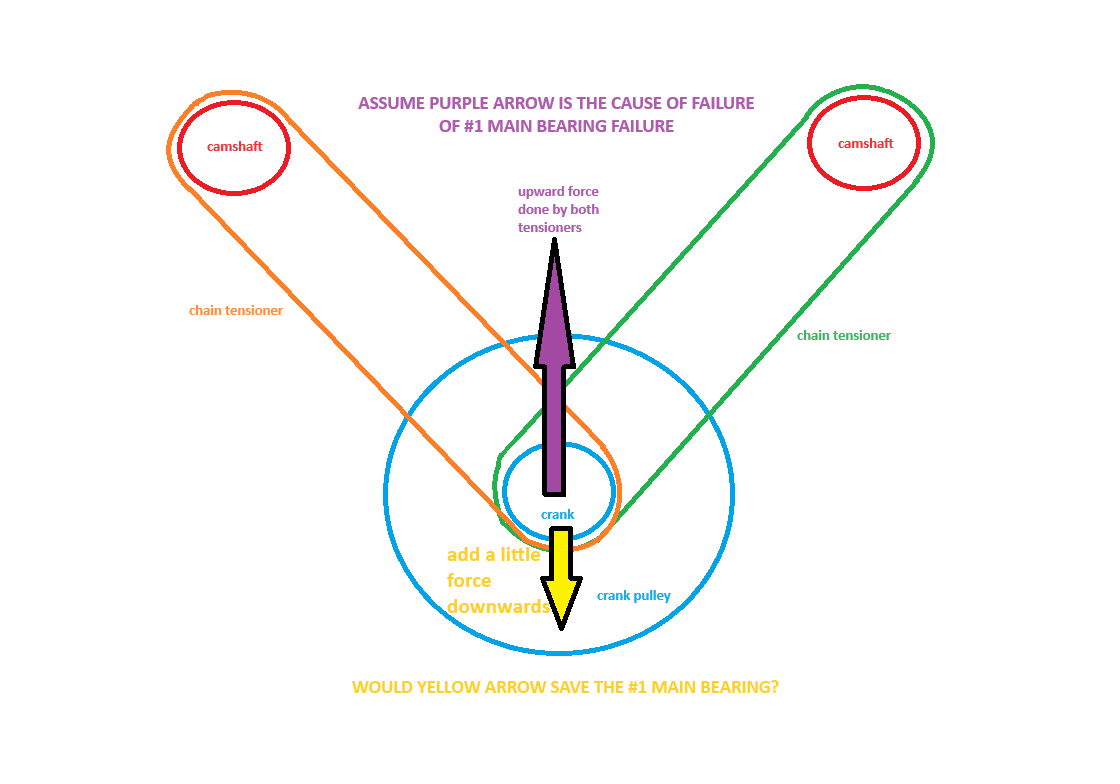
Glacial Pace wroteIIRC dean posted about it in the past, he had only seen one or two blocks after mains failures without a cracked journal. It's super rare. Mine didn't even spin the main bearing but got hot enough to crack the block all the way up to the bores of #1 and #5.
I guess there are a lot more crashed cars with usable engine blocks than there are cars with spun main bearings so getting a new block isn't an issue for now.
I wonder if these things might start to really climb in price as the number of donor cars reduces.
I wonder if these things might start to really climb in price as the number of donor cars reduces.
check out this story on facebook:
2k - labor = how much in parts are we talking?
and engine in car job?
there's a tech in australia saying he can do RBs for about 4k AUD and for more 2k AUD he would also do mains.‘Following Brintech Customs YouTube video on the S65 main bearing failure, I reached out to Lawrence who kindly provided the following info:
The 5 engines we saw in the video had a range of mileage from 50,000km to 150,000km. All were NA and not boosted. Mileage was not a good indicator of when the bearings would spin. The 50,000km had been well looked after and unfortunately suffered the bearings failure at Sydney Motorsport Park during a track day.
The frequency of the main bearings failure prompted Brintech to do the engine autopsy video.
In terms of cost, their RB service is $3850 AUD incl engine mounts, oil service, oil pan gasket, ACL race bearings and OE Rod bolts and is a 2 day job.
Their MAIN BEARING + RB service is $5750 AUD and incl King Race main bearing + all items in their RB service. This is NOT an engine out job but budget 3 days.
Again, Lawrence stresses the S65 is more akin to a race engine with tight tolerances and require a higher level of maintenance and care and he’s happy to answer questions we may have here.
Side note:
There is 1 x brand new S65 left in the world. Ex Germany.
Excl belts, pulleys, injectors, coils, plugs, TAs, intake manifold for $46,500 AUD incl GST a freight.
Or
$33,300 AUD incl GST and freight on return of the old motor.
2k - labor = how much in parts are we talking?
and engine in car job?
jvictormp wrotecheck out this story on facebook:
there's a tech in australia saying he can do RBs for about 4k AUD and for more 2k AUD he would also do mains.
2k - labor = how much in parts are we talking?
and engine in car job?
 SYT_Shadow
You're the one who made it possible for us to change RBs at home.
Now we need you to enlighten us with a video tutorial of dean's procedure and possibly with engine in car.
Let's make these engines last forever!
Bruh!!! If you’re even contemplating how to do a Main Bearing replacement with the engine in-frame, you are smoking crack! The torque procedure is complicated enough with you relaxed standing over your engine. You want to introduce the stress of you looking at it upside down holding up a 40lb crankshaft and 10lb bedplate. If this is even crossing your mind… I would pay you money to stay away from my motor!!!
charliev68 wroteYou're right. Let the engine die someday, we don't like it anyway.Bruh!!! If you’re even contemplating how to do a Main Bearing replacement with the engine in-frame, you are smoking crack! The torque procedure is complicated enough with you relaxed standing over your engine. You want to introduce the stress of you looking at it upside down holding up a 40lb crankshaft and 10lb bedplate. If this is even crossing your mind… I would pay you money to stay away from my motor!!!
